Oatmeal Cholesterol Lowering Recipe: Step-by-Step Instructions
The Truth About This Recipe
Let’s be clear: no single food magically melts fat or instantly lowers cholesterol. This oatmeal recipe is a fantastic tool in your arsenal because it’s packed with soluble fiber and healthy fats, demonstrably helping to manage cholesterol and promote satiety. However, for weight loss, the fundamental truth remains: you must be in a consistent calorie deficit. This recipe supports that by keeping you full, but if you then overeat later in the day, the benefits for weight loss disappear. It’s about the whole picture, not just one meal.
Move Your Body
This 250-calorie breakfast gives you great fuel! Consider a brisk 30-minute walk after enjoying it. That’s roughly 150-200 calories burned for most people, contributing nicely to your overall energy deficit and supporting heart health alongside your dietary choices. Small movements add up to big impacts.
Delicious Variations
For a Mediterranean twist, swap apples for berries and add a sprinkle of walnuts. If you’re looking to significantly reduce carbs (though this recipe isn’t suitable for strict keto due to oats), you could try a ‘faux-tmeal’ made with hemp hearts and chia seeds, but understand that the cholesterol-lowering benefits from oat beta-glucans would be lost. Always remember that drastic changes like moving towards a keto diet mean losing the benefits of whole grains found here.
Healthier Alternatives
Instead of pre-packaged instant oats, use rolled oats (WHY: higher in fiber, less processed, better for blood sugar). Swap cow’s milk for unsweetened almond or soy milk (WHY: lower in saturated fat, fewer calories, often fortified with vitamins). Replace added sugar with natural sweetness from more fruit or a tiny dash of stevia (WHY: reduces empty calories and prevents blood sugar spikes). Instead of just flaxseed, rotate with chia seeds for varied omega-3s and fiber (WHY: broadens nutrient intake).
Serving Suggestions
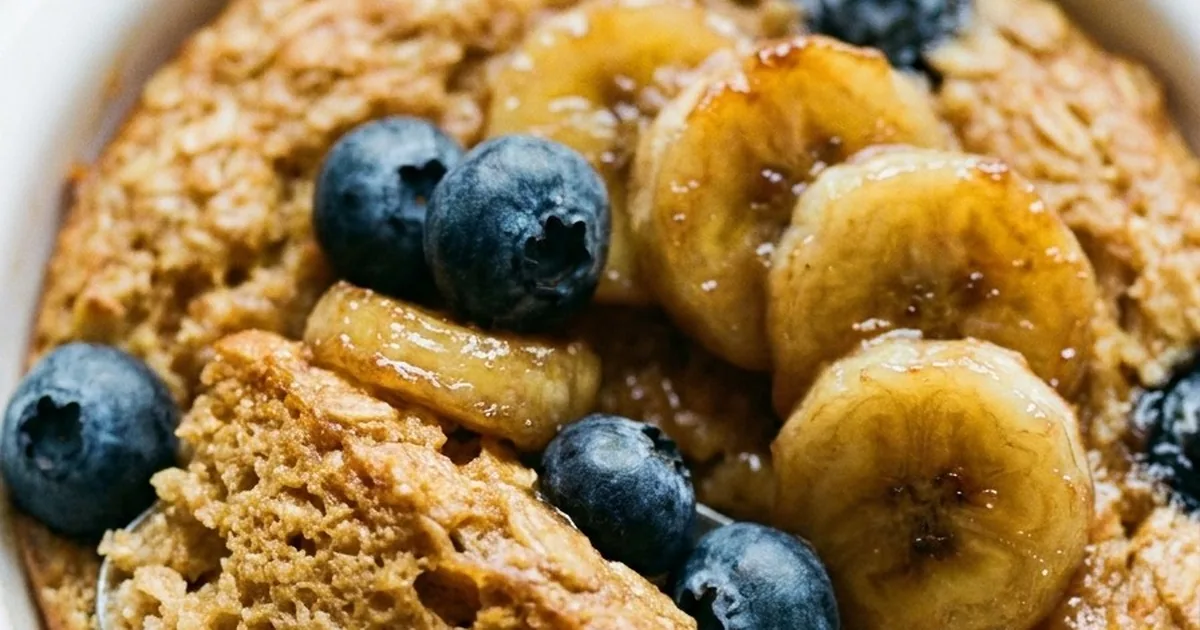
Serve this oatmeal warm, perhaps topped with a few additional thin apple slices and a light dusting of cinnamon. For added texture, a sprinkle of 1-2 tablespoons of chopped walnuts or pecans can be good, but be warned: nuts are calorie-dense, so measure them carefully to avoid sabotaging your calorie goals. Avoid serving with sugary toppings like maple syrup or brown sugar if weight loss is your goal, as these add empty calories without much satiety.
Storage Instructions
This oatmeal is best enjoyed fresh. However, if you have leftovers, store them in an airtight container in the refrigerator for up to 2 days. When reheating, you may need to add a splash of water or milk to restore its creamy consistency, as it will thicken significantly. Reheat gently on the stovetop or in the microwave until warmed through. Freezing is not recommended as it significantly alters the texture.
Frequently Asked Questions
How does oatmeal help lower cholesterol?
Oatmeal contains soluble fiber, specifically beta-glucans, which forms a gel in your digestive tract. This gel binds to cholesterol and bile acids, preventing their absorption and helping your body excrete them, thus lowering LDL (‘bad’) cholesterol.
Can I lose weight just by eating this oatmeal?
While this oatmeal is a healthy, calorie-controlled choice that promotes satiety, weight loss requires a consistent calorie deficit over time. Eating this oatmeal alone won’t guarantee weight loss if your total daily caloric intake remains too high. It’s part of a larger picture.
What’s the difference between rolled oats and instant oats?
Rolled oats are steamed and flattened oat groats, retaining more of their nutritional integrity and fiber. Instant oats are pre-cooked, dried, and cut into smaller pieces for faster preparation, but they often have a higher glycemic index and can lead to less sustained fullness.
Is flaxseed really necessary for cholesterol lowering?
While the oats do most of the heavy lifting, flaxseed provides additional soluble fiber and alpha-linolenic acid (ALA), a plant-based omega-3 fatty acid, which also contributes to heart health and can help reduce inflammation, making it a beneficial addition.
How often should I eat this cholesterol-lowering oatmeal?
Incorporating this oatmeal into your diet regularly, perhaps 4-5 times a week, can yield significant benefits for cholesterol management. Consistency is key for long-term health improvements. Always consult with your doctor or a registered dietitian for personalized dietary advice.
Conclusion
There you have it – an honest, science-backed approach to an oatmeal cholesterol lowering recipe. It’s not about magic, it’s about understanding the power of whole foods, especially when paired with smart choices throughout your day. This recipe provides an excellent foundation for heart health and can be a powerful ally in your weight management journey, not by itself, but as a consistent part of a calorie-conscious diet. Remember, I’m not a doctor, but I do read the science, and the science says that fiber-rich foods like oats are genuinely good for you. Make this a staple, listen to your body, and keep making those informed choices. Your heart and your waistline will thank you.
Related recipes: Apple Cider Lemon Gelatin Drink, No-Bake 2-Ingredient Valentine Strawberry Jello Cool Whip Bites, dr sanjay gupta gelatin recipe, gelatine sculpt recipe, gelatinas light recipe.
Learn more: Cholesterol on Wikipedia · food storage & safety (FoodSafety.gov).
◆ ◆ ◆
← Back to Oatmeal Cholesterol Lowering RecipeGet new recipes
One tasty homemade recipe in your inbox each week. No spam, unsubscribe anytime.




Comments (17)