Best Gelatin Cubes for Weight Loss: Step-by-Step Instructions
Key Terms Explained
| Term | Explanation | Why it matters here |
|---|---|---|
| Calorie Deficit | Consuming fewer calories than your body expends daily, leading your body to use stored energy (fat) for fuel. | This recipe is low in calories, helping you create or maintain a calorie deficit without feeling hungry. |
| Satiety | The feeling of fullness and satisfaction after eating, which helps reduce further food intake. | Gelatin’s protein content can contribute to satiety, helping you feel fuller for longer from a low-calorie snack. |
| Collagen Hydrolysate (Gelatin) | A processed form of collagen, a protein found in animal connective tissues, broken down into smaller peptides. | Gelatin is the key ingredient, providing protein and the unique jiggly texture without adding significant calories. |
The Truth About This Recipe
The Truth About This Recipe: While these gelatin cubes are a fantastic low-calorie, satisfying snack, they are not a ‘fat-burning’ food. No single food magically melts fat away. Weight loss, at its core, is about consistent calorie deficit over time. What these cubes *do* offer is a delicious way to enjoy a sweet treat without derailing your calorie goals. They help manage cravings, contribute to satiety with their protein, and add volume with minimal calories. Think of them as a smart tool in your weight loss toolbox, not the whole toolbox itself.
Move Your Body
Remember, a calorie deficit isn’t just about what you eat, but also how you move. Enjoying a serving of these 120-calorie cubes? Consider pairing it with a brisk 20-minute walk. It’s a gentle way to increase your energy expenditure and boost your overall well-being, complementing your smart dietary choices.
Delicious Variations
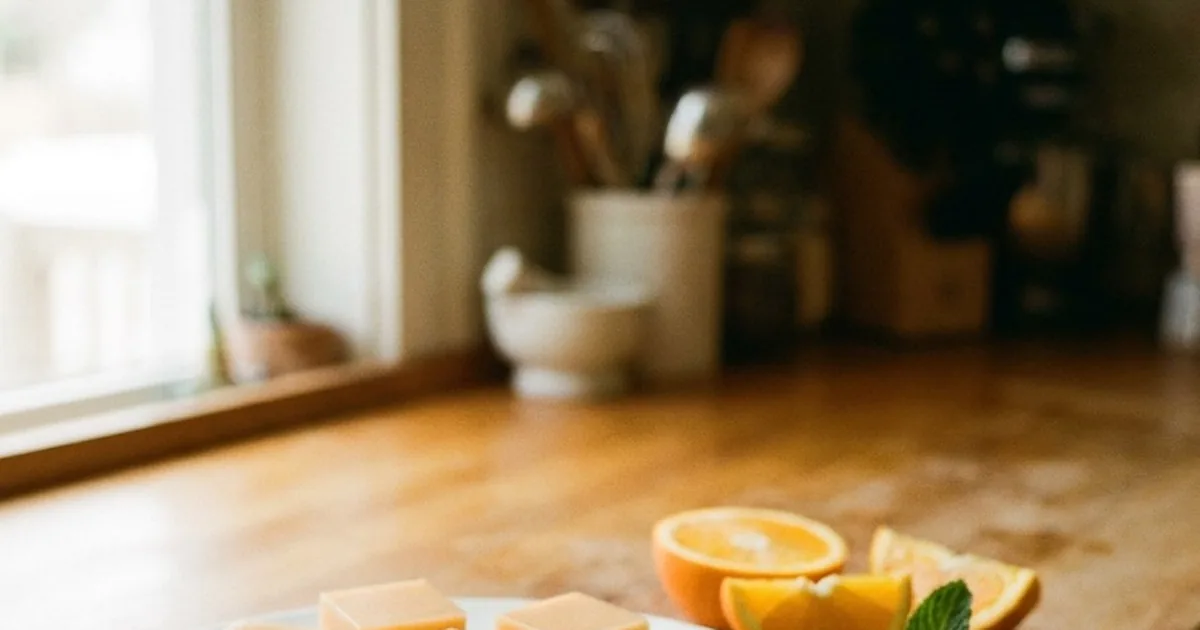
For a Keto-friendly version, ensure your sweetener is erythritol or monk fruit, and always check labels. For a Low-Carb twist, you’re already pretty much there! Just be mindful of any fruit purees you might be tempted to add, as they bring carbs. For a Mediterranean diet approach, you could infuse the water with fresh mint or orange zest for a lighter, more aromatic flavor profile. Just remember, the core principle is low-calorie satisfaction.
Healthier Alternatives
Instead of artificial food dyes, we’re using beet, raspberry, or freeze-dried strawberry powder for natural pink color – these add a touch of antioxidants without synthetic chemicals. Swapping refined sugar for natural sweeteners like erythritol or stevia blend drastically cuts calories and prevents blood sugar spikes, which can contribute to fat storage (lipogenesis). Using rose water instead of artificial flavorings provides a sophisticated, natural aroma and taste without any questionable additives, making it a cleaner choice for your body.
Serving Suggestions
These cubes are perfect on their own as a refreshing snack. You can also serve them chilled with a sprinkle of finely chopped fresh mint, or a very thin slice of lemon for a bright zest. For a truly indulgent (but still low-calorie) treat, pair them with a dollop of unsweetened Greek yogurt. WARNING: Do not combine with high-sugar desserts or creamy, full-fat toppings if weight loss is your goal, as this will quickly negate the low-calorie benefit of the gelatin cubes.
Storage Instructions
Store the gelatin cubes in an airtight container in the refrigerator for up to 5-7 days. They are best enjoyed chilled. We don’t recommend freezing them, as the texture can become grainy and unappetizing upon thawing. If you notice any liquid accumulating at the bottom of the container, it’s just some ‘weeping’ from the gelatin; simply drain it before serving.
Frequently Asked Questions
Can gelatin really help with weight loss?
Gelatin itself isn’t a magic weight loss ingredient, but its protein content can contribute to satiety. Feeling fuller helps reduce overall calorie intake, which is key for weight loss. It’s a tool, not a solution.
What is the best type of gelatin for this recipe?
Unflavored gelatin powder is best. Look for grass-fed or pasture-raised varieties if you prefer, but any unflavored gelatin will work for the recipe’s structure and protein content.
Why is natural sweetener recommended instead of sugar?
Natural sweeteners like erythritol or stevia provide sweetness without the calories or blood sugar spikes of traditional sugar, making them ideal for a weight loss-friendly recipe.
Can I use fruit juice instead of water for flavor?
You can, but be aware that fruit juices add significant calories and sugars. To keep this recipe low-calorie for weight loss, stick to water and natural flavorings like rose water and lemon juice.
Are these gelatin cubes a complete protein source?
Gelatin is a protein, but it’s not a ‘complete’ protein because it lacks some essential amino acids. However, it still contributes to your daily protein intake and can help with satiety when combined with other protein sources throughout your day.
Conclusion
There you have it: the best gelatin cubes for weight loss. This isn’t just a recipe; it’s a strategy. It’s about empowering you to make choices that align with your goals, without feeling deprived or resorting to unhealthy habits. Remember, sustainable weight loss is a journey of small, consistent steps, and understanding *why* certain foods help is far more powerful than just following a list. These rose-tinted, jiggly cubes are a testament to the fact that healthy eating can be both delicious and satisfying. Keep learning, keep experimenting, and most importantly, keep being kind to yourself on your path to a healthier you. You’ve got this!
Related recipes: Apple Cider Lemon Gelatin Drink, No-Bake 2-Ingredient Valentine Strawberry Jello Cool Whip Bites, dr sanjay gupta gelatin recipe, gelatine sculpt recipe, gelatinas light recipe.
Learn more: Gelatin on Wikipedia · food storage & safety (FoodSafety.gov).
◆ ◆ ◆
← Back to Best Gelatin Cubes for Weight LossGet new recipes
One tasty homemade recipe in your inbox each week. No spam, unsubscribe anytime.
Comments (18)