Knox Gelatin Wellness Recipe
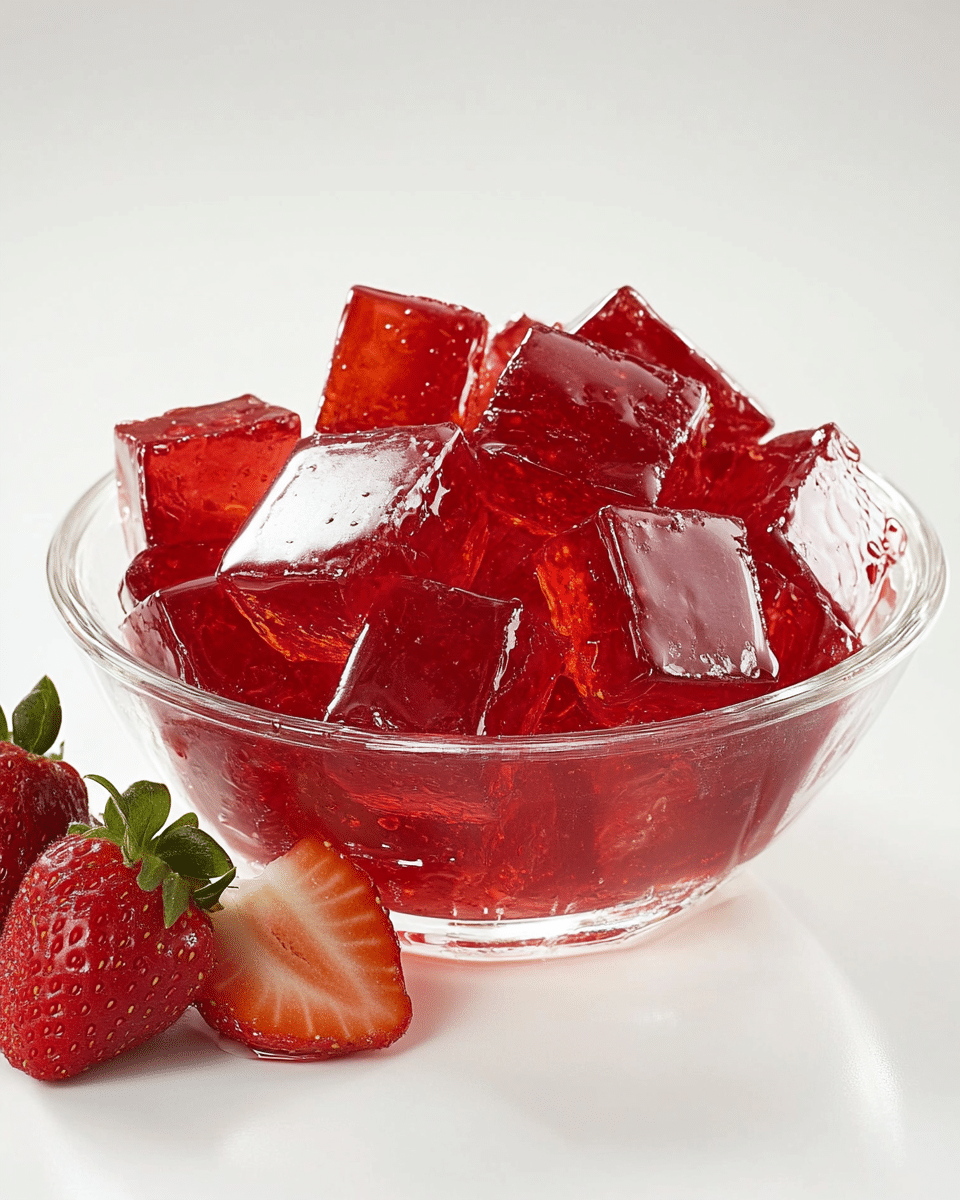
Discover 5 delicious and easy Knox gelatin wellness recipes to boost your health! Learn the nutrition facts and how to incorporate gelatin into your diet.
Feeling sluggish or looking for a simple way to add some protein and collagen to your diet? Let’s be real, most wellness trends are total nonsense, but gelatin is a legit, affordable option that’s been around forever. This Knox Gelatin Wellness Recipe guide gives you a few easy ways to incorporate this often-forgotten ingredient into your daily life for a boost of protein and improved joint health. Think of it as a simple, no-nonsense way to potentially improve your well-being without breaking the bank or falling for false promises.
| Prep Time | 10 | Cook Time | 20 |
| Servings | 4 | Calories | 75 kcal |
Ingredients
- 2 cups water, divided
- 2 packets Knox unflavored gelatin
- 1 cup fruit juice (e.g., pomegranate, grape)
- 1/4 cup honey or maple syrup (optional)
- 1 cup chopped fresh fruit (berries, peaches)
Recommended Tools You’ll Need
| Tool | Why You Need It |
|---|---|
| Saucepan | For heating the water and dissolving the gelatin. |
| Mixing Bowls | To prepare the gelatin mixture and combine ingredients. |
| Whisk | To ensure the gelatin dissolves smoothly. |
| Individual Molds or Glass Dish | To set the gelatin dessert in the refrigerator. |
Calorie Reality
This gelatin dessert offers a light, refreshing treat at just 75 calories per serving. It’s a great option to satisfy your sweet tooth without significantly impacting your daily calorie intake. Incorporating this into your diet can help manage cravings without feeling deprived.
About Your Daily Budget: Your TDEE (Total Daily Energy Expenditure) is the number of calories you burn daily. Factors like activity level, age, and sex all impact your TDEE. Eating fewer calories than your TDEE leads to weight loss.
Diet Compatibility
Compatible with: Pescatarian, Gluten-Free, Dairy-Free
Not compatible with: Vegan, Vegetarian
Warning: Mixing Diets: This recipe is relatively healthy on its own. However, be mindful of what you pair it with. Consuming this alongside a high-fat meal could contribute to overall calorie surplus and promote lipogenesis – the creation of new fat. Balancing your meals is key!
Expert Tips
For a thicker consistency, use less water. You can also experiment with different fruit combinations and flavors. If you’re aiming for weight loss, be mindful of the added sweetener – consider using a sugar-free alternative or reducing the amount. Remember, small changes add up!
Macros Breakdown
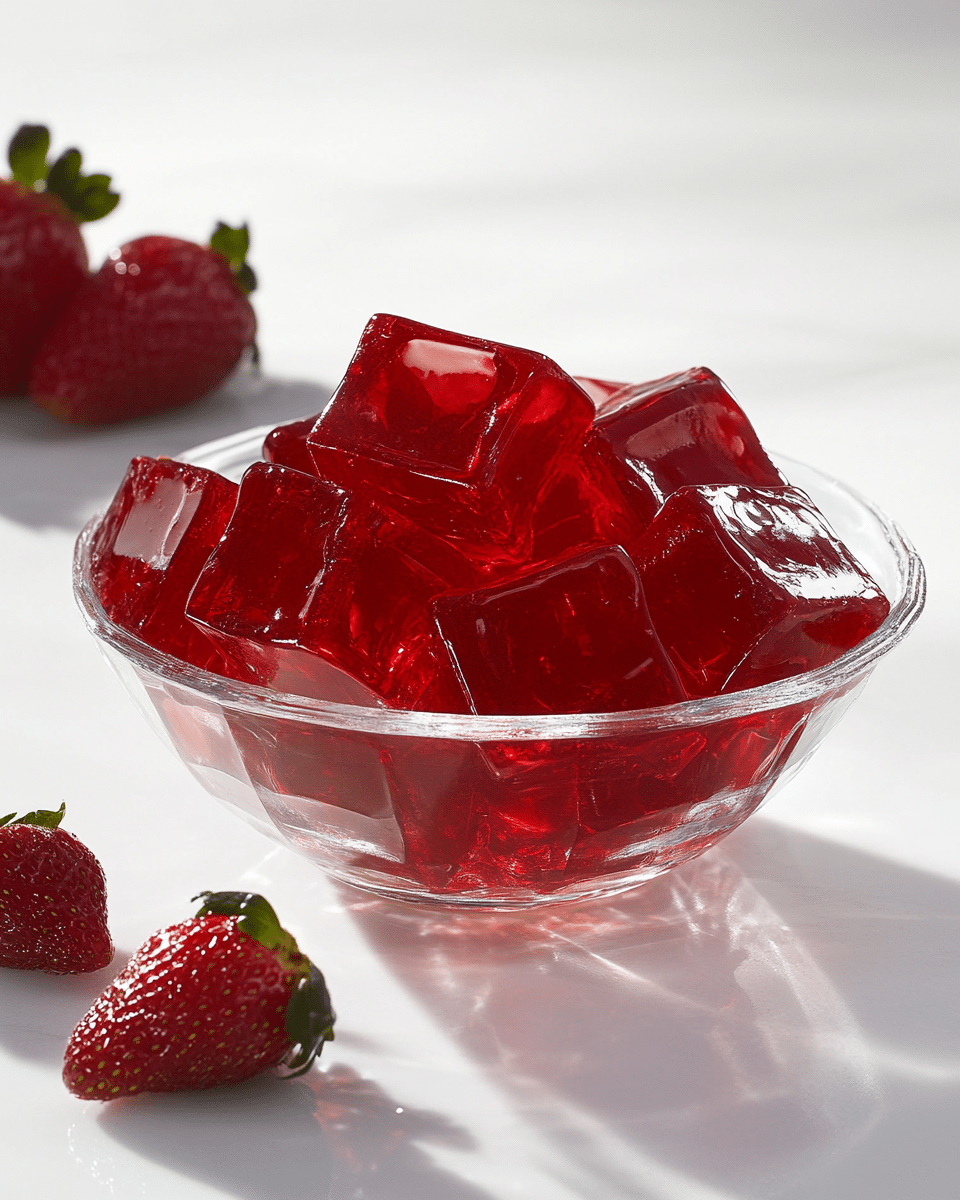
This recipe is primarily protein and carbohydrates. The protein comes from the gelatin, while the carbs come from the fruit juice and any added sweetener. There’s virtually no fat, making it a very lean treat. Remember, excessive sugar intake, even from fruit juice, can contribute to lipogenesis—the process of converting excess carbohydrates into fat.
Nutrition Information (per serving)
| Calories | Protein | Carbs | Fat | Fiber |
|---|---|---|---|---|
| 75 kcal | 6g | 12g | -g | -g |
Instructions
- In a small bowl, sprinkle gelatin over 1 cup of cold water. Let stand for 5 minutes to soften.
- In a saucepan, bring the remaining 1 cup of water to a simmer.
- Add the softened gelatin mixture to the hot water and stir until completely dissolved.
- Remove from heat and stir in fruit juice and sweetener (if using).
- Gently fold in the chopped fresh fruit.
- Pour the mixture into individual molds or a glass dish.
- Refrigerate for at least 3 hours, or until firm.
- Serve chilled and enjoy!
Key Terms Explained
| Term | Explanation | Why it matters here |
|---|---|---|
| Collagen | Collagen is a protein that provides structure to skin, bones, and connective tissues. It’s essential for maintaining elasticity and strength. | Gelatin is derived from collagen, offering potential benefits for skin and joint health. |
| Protein | Proteins are made of amino acids and are the building blocks of our tissues. They are essential for muscle repair, growth, and enzyme function. | Knox gelatin is a source of protein, contributing to your daily protein intake. |
| Lipogenesis | Lipogenesis is the metabolic process where your body converts excess carbohydrates into fat for storage, primarily in adipose tissue. | Overconsumption of sugary fruit juices with this recipe could potentially contribute to lipogenesis. |