Dr Phil Gelatin Recipe
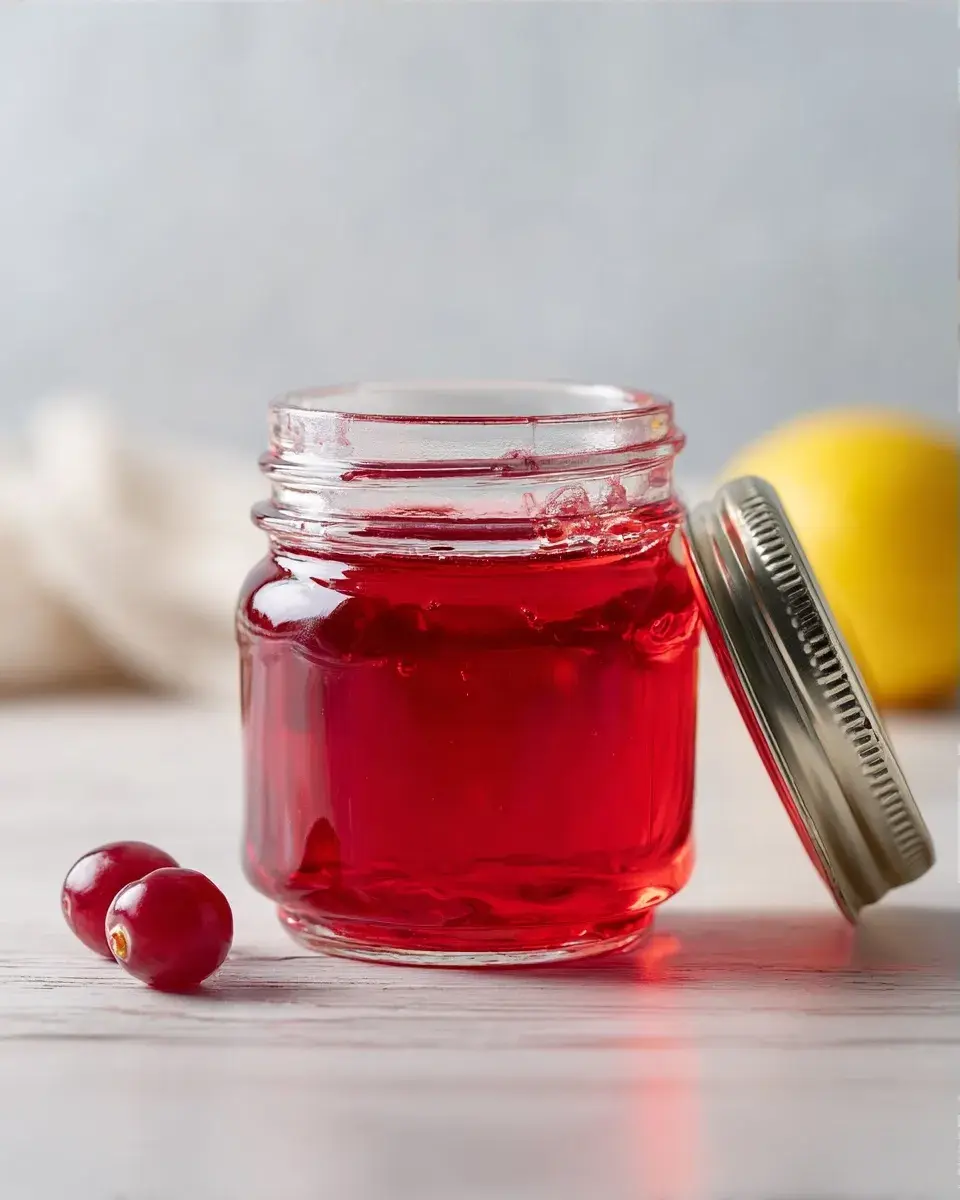
Curious about the viral ‘Dr Phil gelatin recipe’? Learn to make a simple, refreshing lemon-lime gelatin that’s easy to prepare and understand its place in a balanced diet.
You’ve likely stumbled upon the ‘Dr Phil gelatin recipe’ floating around the internet, perhaps with claims of it being a secret weight-loss weapon or a ‘metabolism booster.’ Let’s be honest: no single food, including gelatin, is a magic bullet for weight loss. True, sustainable weight management comes down to consistent calorie deficit over time, coupled with smart nutrition choices and regular physical activity. However, that doesn’t mean this particular Dr Phil gelatin recipe can’t be a useful tool in your dietary arsenal. When prepared thoughtfully, gelatin can be a low-calorie, satisfying snack that helps you feel full without piling on excess calories. It’s also a fantastic way to enjoy a sweet treat without derailing your efforts. This recipe focuses on a refreshing lemon-lime flavor, designed to be easy to make and genuinely enjoyable. We’ll walk through exactly how to prepare it, and more importantly, we’ll discuss its nutritional profile and how it can fit into a balanced eating plan without any of the usual diet-culture hype. My goal here isn’t to sell you on a quick fix, but to empower you with understanding, so you can make informed choices for your health and well-being. Let’s get cooking and learn something genuinely useful about this popular ‘Dr Phil gelatin recipe’.
| Prep Time | 15 | Cook Time | 240 |
| Servings | 6 | Calories | 25 kcal |
Ingredients
- 2 cups (480ml) cold water, divided
- 2 packets (0.25 oz / 7g each) unflavored gelatin powder
- 1/2 cup (120ml) fresh lemon juice, strained
- 1/4 cup (60ml) fresh lime juice, strained
- 1/4 cup (60ml) granulated erythritol or other zero-calorie sweetener (adjust to taste)
- 1/2 teaspoon lemon zest (optional, for extra flavor)
- Pinch of salt (enhances flavor)
What You’ll Need
| Tool | Why You Need It |
|---|---|
| Small Saucepan | For gently heating the liquid ingredients and dissolving the sweetener and gelatin. |
| Measuring Cups & Spoons | Essential for accurate ingredient quantities, ensuring the gelatin sets correctly. |
| Whisk or Spoon | For stirring and ensuring all ingredients, especially the gelatin and sweetener, are fully dissolved. |
| 8×8 inch Glass Dish or Molds | For setting the gelatin. Glass dishes allow for easy cutting, while molds offer individual portions. |
Calorie Context
At just 25 calories per serving, this lemon-lime gelatin is incredibly low-calorie, making it a smart choice for a snack or dessert when you’re managing your overall calorie intake. It offers a sweet, satisfying treat without significantly impacting your daily budget.
About Your Daily Budget: Your Total Daily Energy Expenditure (TDEE) is the total number of calories your body burns in a day. Eating fewer calories than your TDEE is how you create a calorie deficit, which is necessary for weight loss.
Diet Pairing Guide
Compatible with: Keto (with zero-calorie sweetener), Low-Carb, Gluten-Free, Dairy-Free, Paleo (if consuming gelatin), Mediterranean (as a light sweet)
Not compatible with: Vegan, Vegetarian
Warning: Mixing Diets: While this recipe is compatible with many diets, remember that ‘compatible’ doesn’t mean ‘eat unlimited amounts.’ Even healthy foods contribute to your overall calorie and macro intake. Overconsumption, even of low-calorie items, can still lead to excess energy intake, which your body stores as fat through a process called lipogenesis. Balance is key.
Smart Tricks
For the clearest gelatin, ensure you skim off any foam that forms after pouring into your dish. If you prefer a firmer gel, you can add an extra half packet of gelatin powder, but be mindful that too much can result in a rubbery texture. When making dietary changes for weight loss, focus on sustainable habits rather than restrictive fads. This gelatin can be a great tool for managing sweet cravings without excess calories, which is a smart strategy for long-term success.
The Macro Picture
This recipe is primarily protein from the gelatin, with minimal carbohydrates from the fruit juices and zero fat. It’s not a complete meal replacement but serves as a light, protein-contributing snack that fits well into various eating patterns due to its low macro impact.
Nutritional Profile
| Calories | Protein | Carbs | Fat | Fiber |
|---|---|---|---|---|
| 25 kcal | 3g | 3g | -g | -g |
Instructions
- In a small bowl, sprinkle the unflavored gelatin powder over 1/2 cup (120ml) of cold water. Let it ‘bloom’ for 5-10 minutes. This means the gelatin will absorb the water and swell, becoming a thick, lumpy paste. Don’t skip this step; it’s crucial for a smooth final product.
- While the gelatin is blooming, in a medium saucepan, combine the remaining 1 1/2 cups (360ml) of cold water, strained lemon juice, strained lime juice, granulated erythritol, and a pinch of salt. If using lemon zest, add it now.
- Heat the mixture over medium heat, stirring occasionally, until the erythritol is completely dissolved and the liquid is hot but not boiling. You’ll see small bubbles forming around the edges of the pan.
- Remove the saucepan from the heat. Add the bloomed gelatin mixture to the hot liquid. Stir continuously until the gelatin is completely dissolved. This should only take a minute or two. Ensure there are no lumps; the liquid should be perfectly clear.
- Carefully pour the gelatin mixture into a 8×8 inch (20×20 cm) glass dish or individual serving molds. If any foam forms on top, gently skim it off with a spoon for a clearer gel.
- Refrigerate for at least 4 hours, or until the gelatin is completely set and firm. For best results, chill overnight.
- Once set, cut the gelatin into desired shapes or serve directly from individual molds. Garnish with a fresh lemon or lime slice if desired.