Kelly Apple Cider Vinegar Strawberry Gelatin Trick
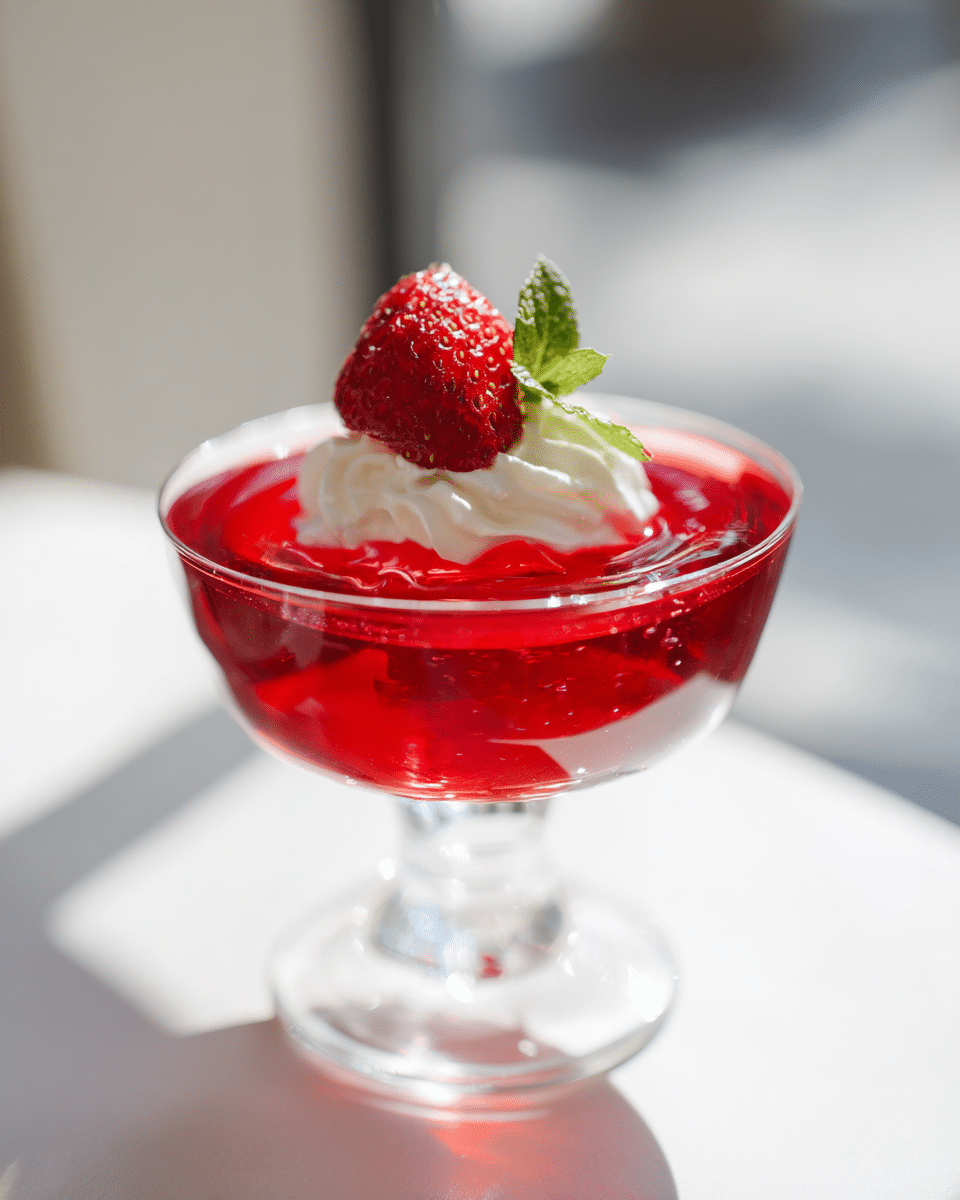
Try the viral Kelly apple cider vinegar strawberry gelatin trick! A simple, refreshing dessert with a tangy twist. Explore the recipe and nutritional facts.
Craving a sweet treat without the guilt? You’ve probably seen the buzz about the Kelly apple cider vinegar strawberry gelatin trick. Honestly, it’s not a miracle weight-loss cure, but it *can* be a satisfying, lower-calorie dessert option. This simple recipe combines the tartness of apple cider vinegar with the sweetness of strawberries and sugar-free gelatin for a surprisingly tasty and refreshing treat. Let’s dive into how to make this popular recipe!
| Prep Time | 10 | Cook Time | 5 |
| Servings | 4 | Calories | 35 kcal |
Ingredients
- 1 cup boiling water
- 1 (0.3 oz) package sugar-free strawberry gelatin
- 1 cup cold water
- 2 tablespoons apple cider vinegar (ACV)
- 1 cup fresh strawberries, sliced
Recommended Tools You’ll Need
| Tool | Why You Need It |
|---|---|
| Mixing Bowl | To combine the gelatin, water, and ACV. |
| Whisk | Ensures the gelatin powder dissolves completely. |
| Measuring Cups and Spoons | For accurate ingredient measurements. |
| Individual Serving Cups or Small Dish | To set the gelatin in. |
Calorie Reality
At only 35 calories per serving, this treat barely makes a dent in your daily calorie intake. It’s a small way to enjoy something sweet without sacrificing too many calories. Remember, sustainable weight management relies on consistent, balanced choices.
About Your Daily Budget: Your Total Daily Energy Expenditure (TDEE) estimates how many calories you burn daily. This gelatin snack is unlikely to impact your TDEE significantly, but small choices add up!
Diet Compatibility
Compatible with: Low-Fat Diets, Weight Watchers, Diabetic-Friendly (check ingredients for sugar alcohols), Gluten-Free
Not compatible with: Vegan, Paleo
Warning: Mixing Diets: While this dessert is low in calories, it’s important to remember that no single food causes weight gain or loss. Consuming excessive amounts of any food, even this one, can contribute to a calorie surplus. That surplus is stored as fat through a process called lipogenesis, where your body converts excess energy into triglycerides.
Expert Tips
To make this even more refreshing, try chilling your serving cups before pouring in the gelatin mixture. For weight loss, focus on portion control and incorporating more whole, unprocessed foods into your diet. This dessert is a small part of a larger picture.
Macros Breakdown
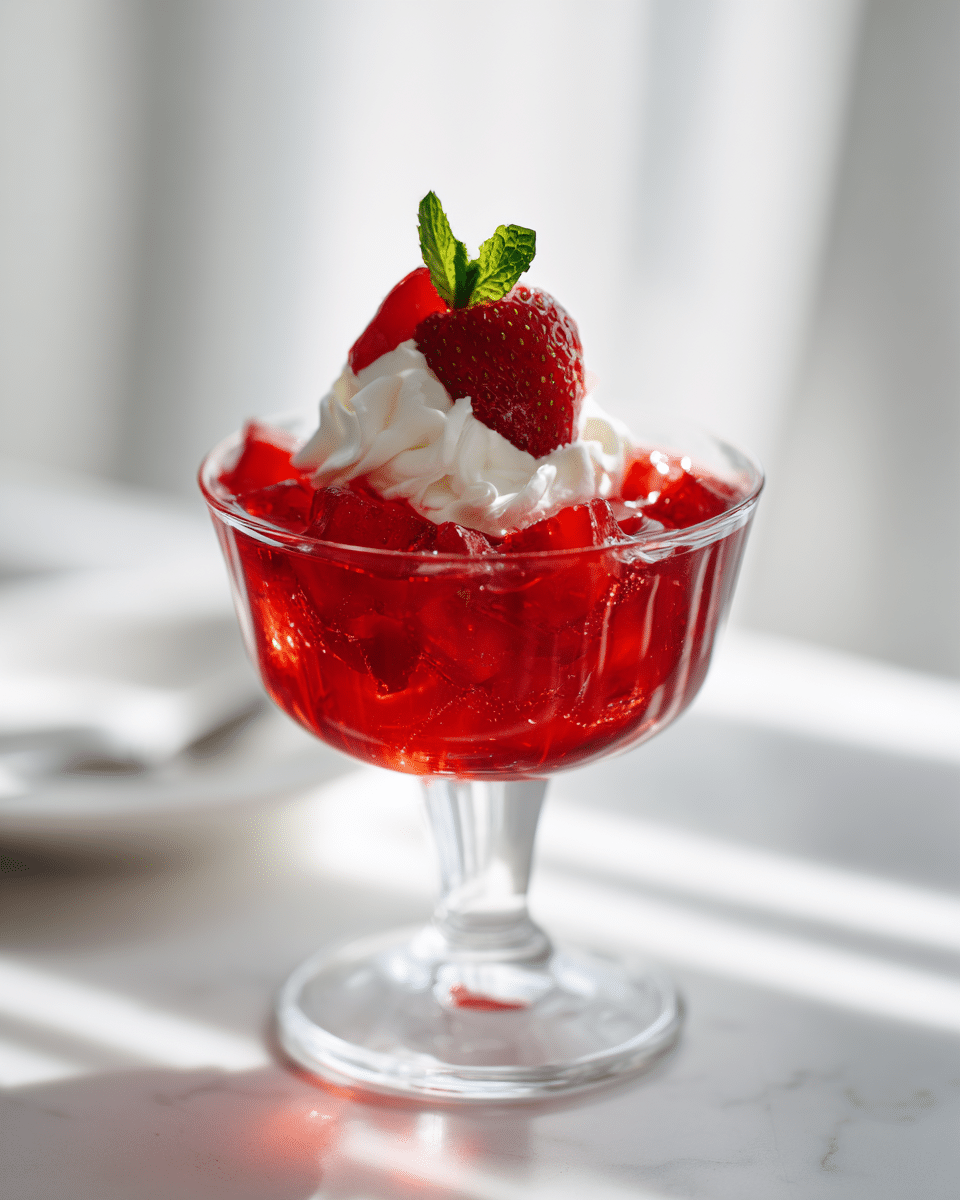
This recipe is very low in fat and provides a small amount of protein from the gelatin. The majority of the calories come from the carbohydrates in the gelatin and strawberries. Remember, excess calories from any macronutrient can contribute to fat storage, known as lipogenesis.
Nutrition Information (per serving)
| Calories | Protein | Carbs | Fat | Fiber |
|---|---|---|---|---|
| 35 kcal | 2g | 5g | -g | -g |
Instructions
- In a mixing bowl, pour the boiling water over the sugar-free strawberry gelatin powder. Stir until the gelatin is completely dissolved.
- Add the cold water and apple cider vinegar to the gelatin mixture. Stir well to combine.
- Gently fold in the sliced strawberries.
- Pour the mixture into individual serving cups or a small dish.
- Refrigerate for at least 2-3 hours, or until the gelatin is firm.
Key Terms Explained
| Term | Explanation | Why it matters here |
|---|---|---|
| Gelatin | Gelatin is a protein derived from collagen. It’s used to thicken and solidify liquids. It’s mostly protein, but also contains trace amounts of minerals. | Gelatin provides the structure and texture for this dessert, holding the liquid together. |
| Apple Cider Vinegar (ACV) | ACV is made from fermented apple juice. It contains acetic acid, which gives it a sour taste. It has been studied for potential health benefits, but more research is needed. | ACV adds a tangy flavor and a potential metabolic boost to the gelatin. |
| Lipogenesis | Lipogenesis is the metabolic process where your body converts excess carbohydrates and protein into fatty acids. These fatty acids are then stored as triglycerides in adipose tissue (fat). | Consuming excess calories from any source, even low-calorie desserts, will trigger lipogenesis if your body doesn’t need those calories for energy. |