Bariatric Approved Gelatin Dessert Recipe
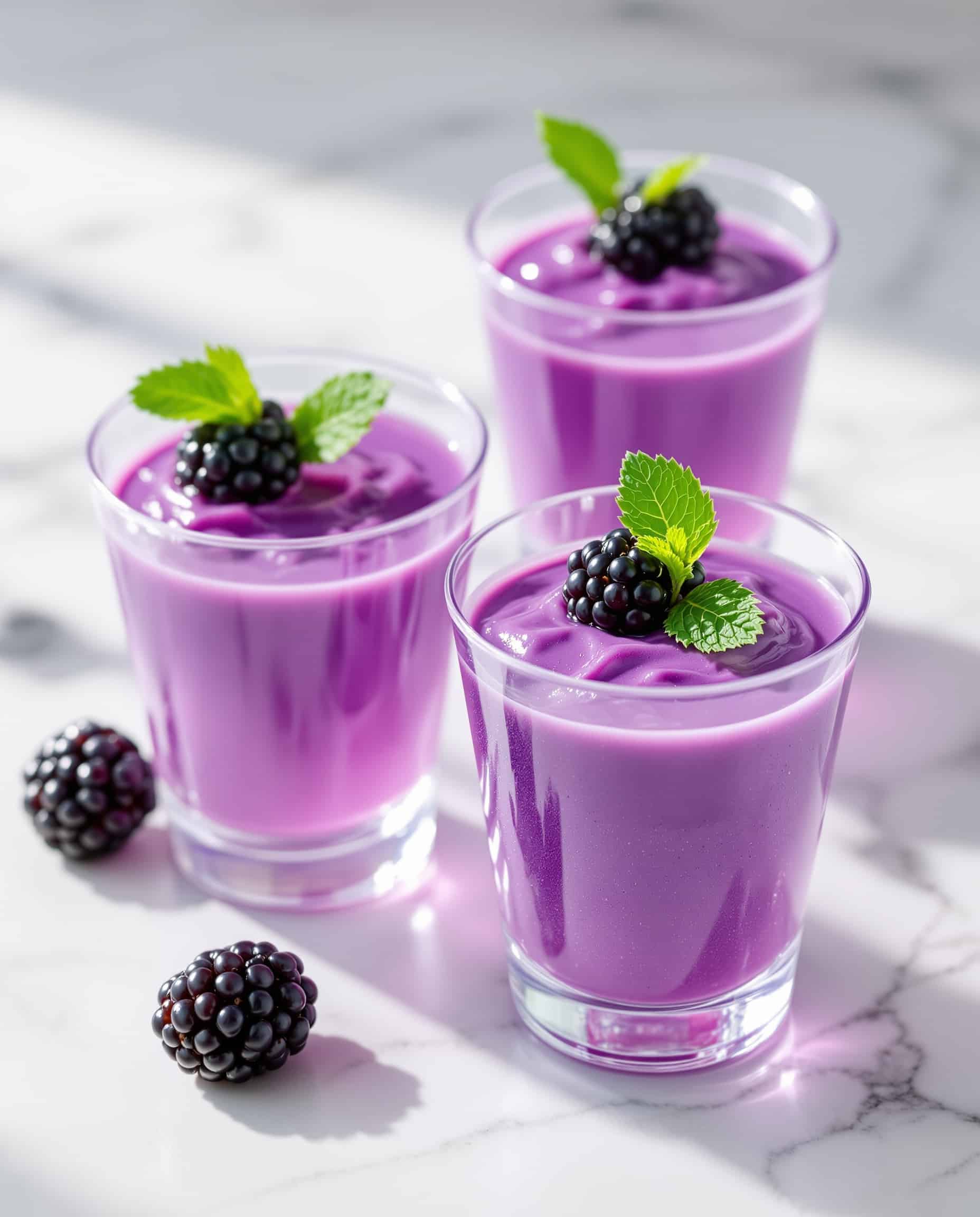
Looking for a bariatric approved gelatin dessert recipe? This 5-ingredient, sugar-free, low-calorie treat is perfect for satisfying sweet cravings while supporting your weight loss goals. Honest, science-backed nutrition.
Let’s be honest: after bariatric surgery, or when you’re simply trying to lose weight, dessert can feel off-limits. The cravings don’t just disappear, and finding something that tastes good, is satisfying, and actually fits your nutritional needs can feel like searching for a unicorn. That’s where this bariatric approved gelatin dessert recipe comes in. It’s a simple, sugar-free, low-calorie option designed to hit that sweet spot without derailing your progress. I’ve been there, navigating the tricky waters of dietary changes, and I’m here to tell you, you don’t have to give up all joy. This recipe offers a refreshing, guilt-free way to enjoy a treat, keeping you on track without feeling deprived.
| Prep Time | 10 minutes | Cook Time | 0 minutes |
| Servings | 4 | Calories | 25 kcal |
Ingredients
- 2 cups (480ml) cold water, divided
- 2 packets (0.25 oz each, ~7g per packet) unflavored gelatin powder
- 1/4 cup (60ml) sugar-free syrup (e.g., maple or vanilla flavored)
- 1 tsp purple sweet potato powder OR blackberry powder (for natural purple color)
- 1/2 cup (120ml) unsweetened almond milk (or other low-carb milk alternative)
- Optional: Stevia or erythritol to taste (if more sweetness is desired)
Recommended Tools You’ll Need
| Tool | Why You Need It |
|---|---|
| Small Saucepan | Essential for gently dissolving gelatin without burning, ensuring a smooth, lump-free texture. |
| Whisk | Helps to thoroughly combine ingredients and prevent lumps, especially when dissolving gelatin and adding color. |
| Individual Dessert Cups | Perfect for portion control, which is critical for weight management, especially post-bariatric surgery. |
| Measuring Cups and Spoons | Accurate measurements are crucial for consistent results and precise calorie/macro tracking. |
Instructions
- In a small saucepan or microwave-safe bowl, combine 1 cup (240ml) of cold water with the unflavored gelatin powder. Let it sit for 5 minutes to ‘bloom’ (this allows the gelatin to absorb water and dissolve smoothly).
- Gently heat the gelatin mixture over low heat on the stovetop or microwave for 1-2 minutes, stirring constantly, until the gelatin is fully dissolved. Do not boil.
- Remove from heat and stir in the remaining 1 cup (240ml) cold water, sugar-free syrup, and the purple sweet potato powder (or blackberry powder) until well combined and the color is even.
- Taste the mixture. If you prefer it sweeter, add a few drops of stevia or a small amount of erythritol, stirring until dissolved.
- Carefully pour the mixture into four individual dessert cups or small bowls.
- Refrigerate for at least 4 hours, or until fully set and firm. For best results, chill overnight.
- Once set, you can drizzle with a tiny bit of unsweetened almond milk just before serving for a creamy contrast, if desired.
Calorie Reality
At just 25 calories per serving, this gelatin dessert is incredibly light. For someone aiming for a typical 1500-2000 kcal daily budget, this represents a tiny fraction of your intake, making it a truly guilt-free treat. It’s designed to fit into even very restrictive caloric goals, allowing for a sweet moment without significant calorie expenditure.
About Your Daily Budget: Your Total Daily Energy Expenditure (TDEE) is the total number of calories you burn in a day, including resting metabolism, activity, and food digestion. To lose weight, you need to consistently consume fewer calories than your TDEE. This recipe helps keep your intake low.
Diet Compatibility
Compatible with: Bariatric Diet (Post-Op, once approved for solids), Keto, Low-Carb, Sugar-Free, Diabetic-Friendly, Gluten-Free
Not compatible with: Vegan (due to gelatin), Strict Paleo (due to processed sugar-free syrup)
Warning: Mixing Diets: Navigating dietary approaches can be confusing, and trying to cherry-pick elements from various ‘diets’ without understanding the underlying principles can be counterproductive, even dangerous. Different diets optimize for different metabolic states. For example, combining high-fat keto principles with high-carb ‘clean eating’ can lead to increased lipogenesis (fat storage) because your body is presented with ample energy from both sources without a clear signal to prioritize one. Always consult with a registered dietitian or your medical team before significantly altering your eating plan, especially post-surgery.
Expert Tips
For perfect results, ensure your gelatin is completely dissolved before adding other liquids; undissolved granules will lead to a grainy texture. When you’re trying to lose weight, planning is your best friend. Make a batch of these at the beginning of the week so you always have a healthy, approved snack ready when cravings strike. This helps prevent impulsive, higher-calorie choices. Pay attention to your body’s signals – sometimes thirst is mistaken for hunger or a craving. Drink a glass of water before reaching for a snack.
Macros Breakdown
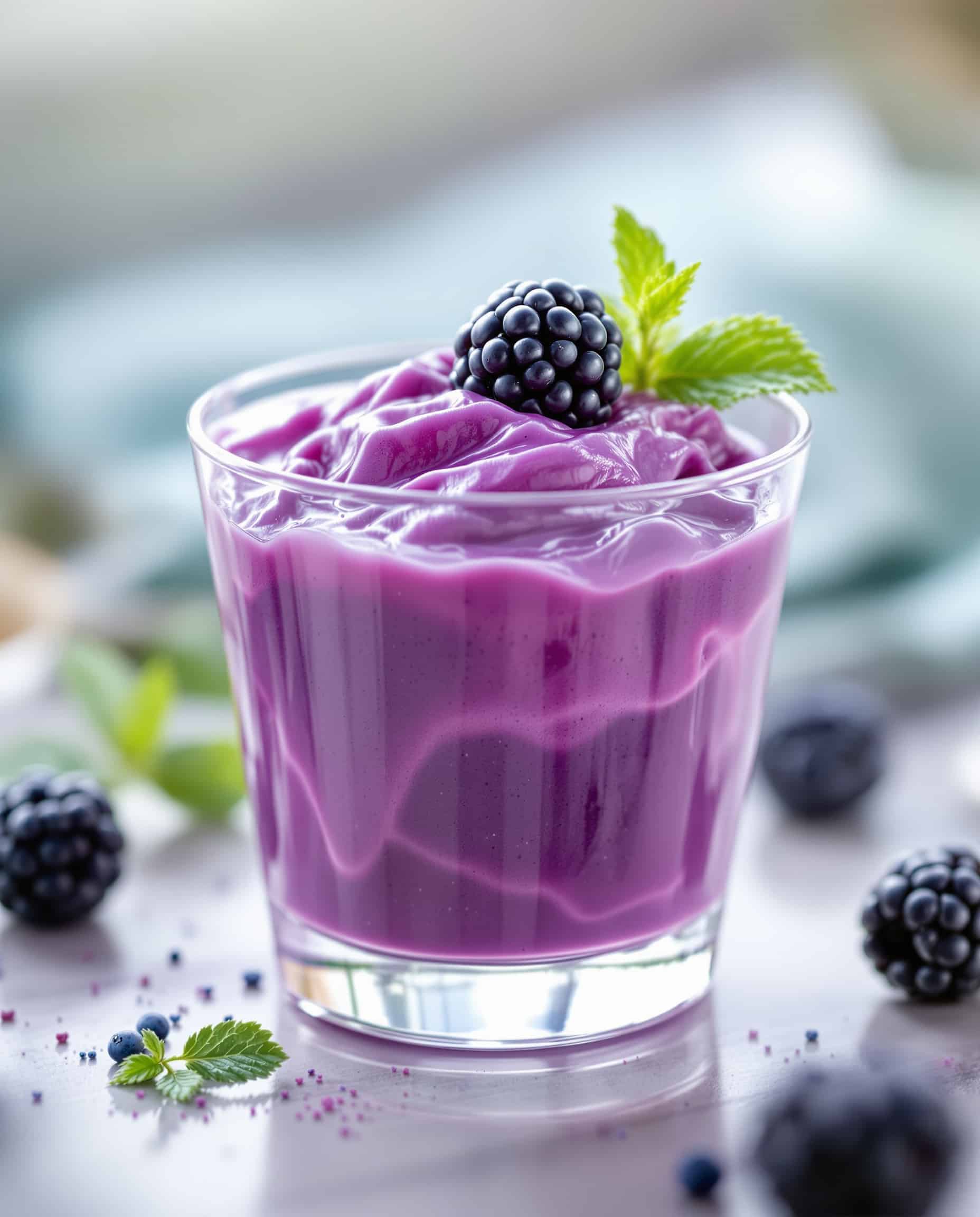
This dessert is primarily protein-based from the gelatin, with minimal carbs and virtually no fat. This macro profile is excellent for weight loss, particularly for bariatric patients, as protein helps with satiety and muscle preservation. The low carb count helps keep blood sugar stable, avoiding energy crashes and subsequent cravings, while the absence of fat keeps the calorie count extremely low.
Nutrition Information (per serving)
| Calories | Protein | Carbs | Fat | Fiber |
|---|---|---|---|---|
| 25 kcal | 4g | 2g | -g | -g |
Key Terms Explained
| Term | Explanation | Why it matters here |
|---|---|---|
| Gelatin | A protein derived from collagen, it forms a gel when dissolved in hot water and then cooled. It’s almost pure protein. | Provides the structure for the dessert and contributes a small but helpful amount of protein without many calories. |
| Sugar-Free Syrup | Sweeteners like sucralose or erythritol replace sugar, providing sweetness without calories or impacting blood sugar. | Allows for a sweet taste without adding sugars that would increase calories or potentially cause dumping syndrome for bariatric patients. |
| Calorie Deficit | Consuming fewer calories than your body burns over a period of time, leading to weight loss. | This dessert is very low in calories, making it an excellent choice for maintaining a calorie deficit. |