Mango Shake Healthy or Not
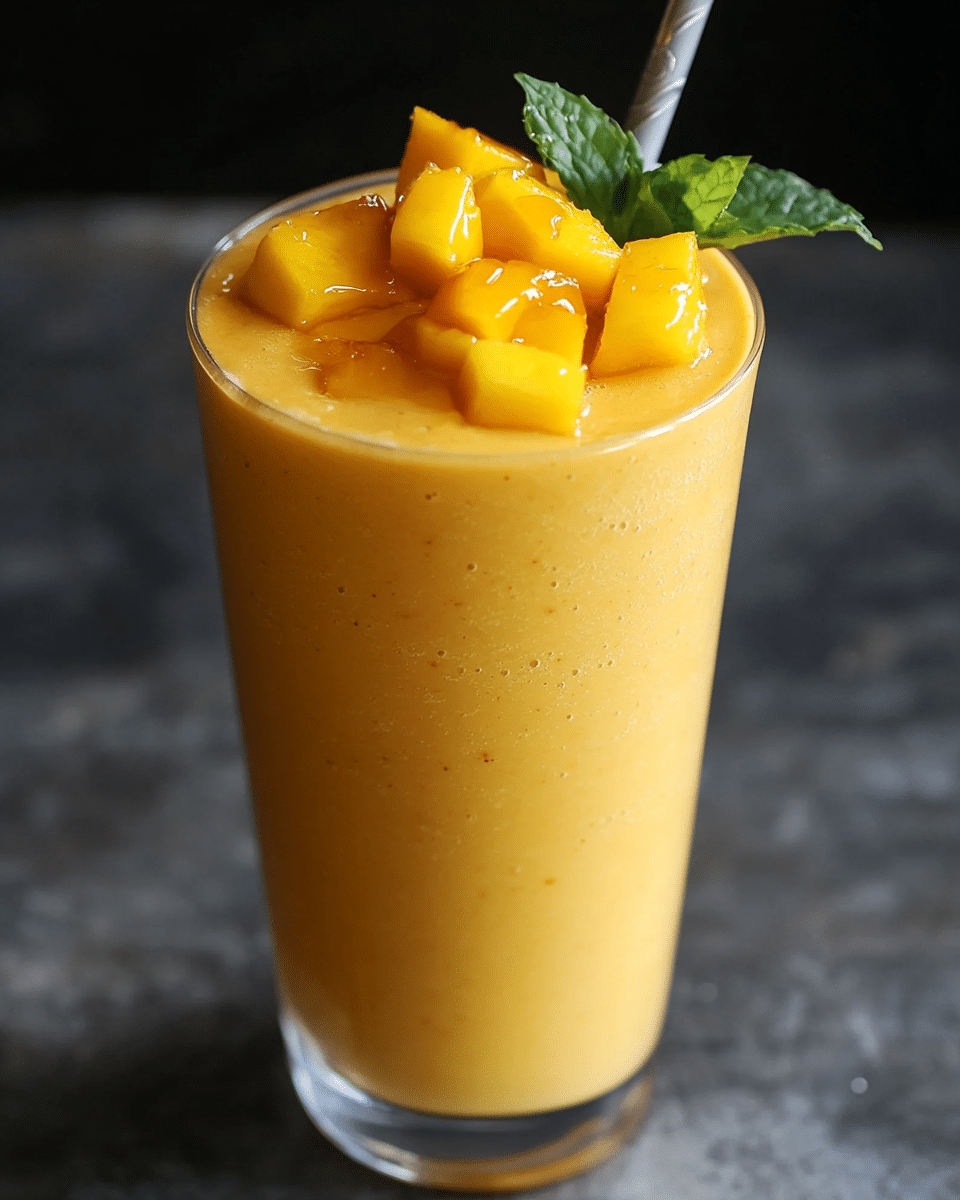
Wondering ‘mango shake healthy or not?’ We break down the calories, nutrition, and potential pitfalls of this tropical treat. Get the facts!
Craving a sweet mango shake but unsure if it aligns with your health goals? It’s a valid concern! Many blended drinks are loaded with hidden sugars and calories. We’re not about deprivation here, just honest information. Let’s dive into the nutritional profile of a mango shake to answer the burning question: is a mango shake healthy or not? We’ll explore the ingredients, potential benefits, and how you can modify this tropical treat to fit your lifestyle.
| Prep Time | 5 | Cook Time | – |
| Servings | 1 | Calories | 250 kcal |
Ingredients
- 1 cup frozen mango chunks
- 1/2 cup milk (dairy or non-dairy)
- 1/4 cup plain Greek yogurt (optional)
- 1 tablespoon honey or maple syrup (optional)
- 1/4 teaspoon vanilla extract (optional)
- 2-3 ice cubes (if using fresh mango)
Recommended Tools You’ll Need
| Tool | Why You Need It |
|---|---|
| High-Speed Blender | Ensures a smooth, lump-free shake, even with frozen mango. |
| Measuring Cups and Spoons | Accurate measurements are key for consistent results and calorie control. |
| Drinking Glass | For serving your delicious and refreshing mango shake. |
| Ice Cube Tray | For adding extra chillness if you are using fresh fruit. |
Calorie Reality
A 250-calorie mango shake can fit into most daily calorie budgets, especially if it replaces a less nutritious snack. Remember, calories aren’t inherently ‘bad’; it’s about the overall balance of your diet.
About Your Daily Budget: Your Total Daily Energy Expenditure (TDEE) is the number of calories you burn daily. This shake’s calorie count should be factored into that number.
Diet Compatibility
Compatible with: Vegetarian, Gluten-Free
Not compatible with: Keto (unless heavily modified), Low-Carb (unless heavily modified)
Warning: Mixing Diets: Be mindful of added sugars. Excessive sugar, especially fructose from mangoes, can contribute to lipogenesis, the process of converting excess carbohydrates into fat. Enjoy in moderation!
Expert Tips
To make this shake more weight-loss friendly, replace half the mango with frozen cauliflower (you won’t taste it!). For a richer flavor, try adding a pinch of cinnamon. This can enhance the sweetness without adding extra sugar.
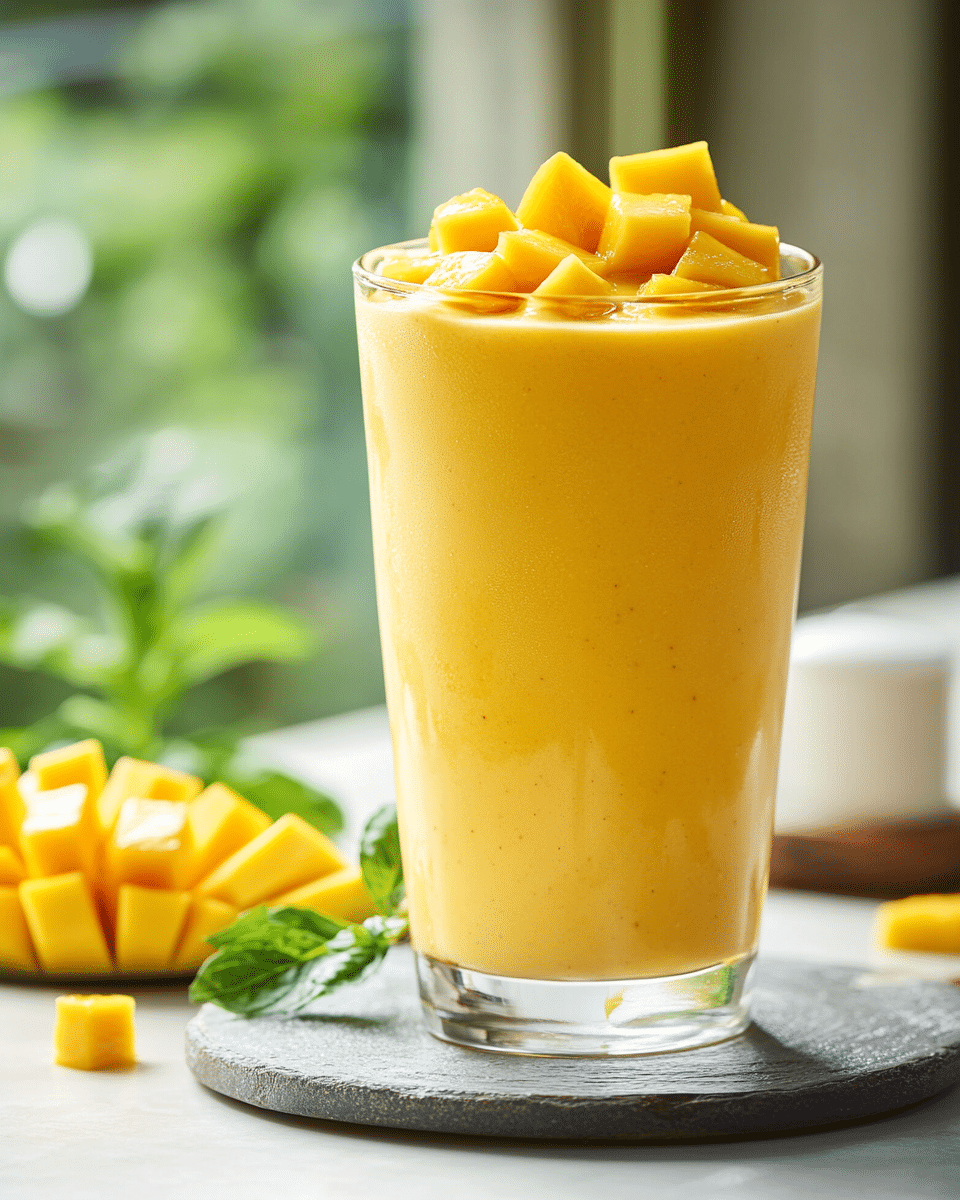
Macros Breakdown
This shake is carb-heavy due to the natural sugars in mango. The protein from Greek yogurt (if added) helps balance it out. The fiber contributes to satiety and better digestion.
Nutrition Information (per serving)
| Calories | Protein | Carbs | Fat | Fiber |
|---|---|---|---|---|
| 250 kcal | 8g | 50g | 3g | 5g |
Instructions
- Combine all ingredients in a blender.
- Blend until smooth and creamy.
- Taste and adjust sweetness if needed.
- Pour into a glass and enjoy immediately.
Key Terms Explained
| Term | Explanation | Why it matters here |
|---|---|---|
| Fructose | Fructose is a type of sugar found naturally in fruits like mangoes. It’s sweeter than glucose. | Mangoes are a good source of fructose, contributing to the shake’s sweetness. |
| Glycemic Index (GI) | The GI measures how quickly a food raises blood sugar levels. A high GI means a rapid spike. | Mangoes have a moderate GI. Adding protein and fiber (Greek Yogurt) helps to lower the overall GI. |
| Macronutrients | Macronutrients are the main nutrients our bodies need: protein, carbohydrates, and fats. | This shake provides carbs (from mango and sweeteners), a bit of protein (from yogurt and milk), and a small amount of fat. |