Mango Collagen
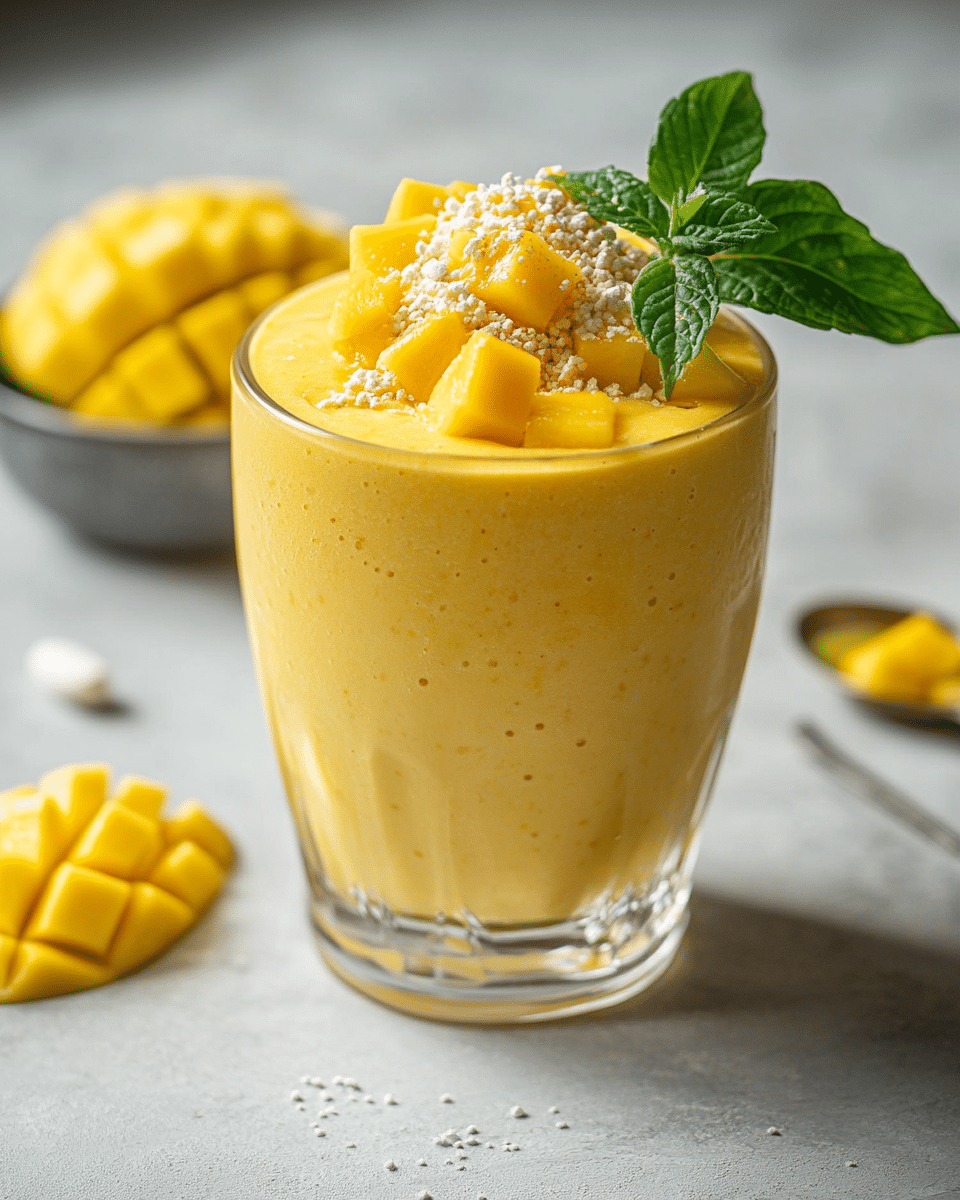
Boost your collagen with these 5 delicious mango collagen recipes! Learn how to make easy and nutritious drinks and snacks for healthy skin.
Craving healthy, glowing skin? You’ve probably heard about collagen supplements, but did you know you can incorporate them into delicious recipes? We’re cutting through the marketing hype to bring you some tasty ways to enjoy mango and collagen together. This isn’t a miracle cure, but incorporating ingredients like mango with collagen can be a simple and enjoyable way to support your body. Here are 5 easy mango collagen recipes to get you started.
| Prep Time | 10 | Cook Time | – |
| Servings | 1 | Calories | 220 kcal |
Ingredients
- 1 cup frozen mango chunks
- 1 scoop (10-20g) collagen powder (unflavored)
- 1/2 cup water or unsweetened almond milk
- 1 tablespoon lime juice
- Optional: a few mint leaves for garnish
Recommended Tools You’ll Need
| Tool | Why You Need It |
|---|---|
| Blender | Essential for creating a smooth and creamy smoothie. |
| Measuring Cups and Spoons | Ensures accurate ingredient ratios for consistent results. |
| Glass | For serving your delicious mango collagen creation. |
| Knife | For prepping any optional garnishes like mint leaves. |
Calorie Reality
This mango collagen smoothie provides around 220 calories. That’s a relatively small portion of an average daily calorie intake. Remember to adjust your other meals accordingly to maintain a balanced diet and achieve your health goals. Pay attention to hunger and fullness cues!
About Your Daily Budget: Your Total Daily Energy Expenditure (TDEE) depends on factors like age, sex, activity level, and genetics. Knowing your TDEE helps you estimate how many calories you burn daily, so you can adjust your intake accordingly to gain, lose, or maintain weight.
Diet Compatibility
Compatible with: Gluten-Free, Dairy-Free (if using almond milk), Pescatarian
Not compatible with: Vegan
Warning: Mixing Diets: While this smoothie is generally healthy, remember that excess collagen intake, especially combined with high sugar intake, can potentially impact fat storage. Your body prioritizes using carbohydrates for energy. When there’s an excess of both carbs and protein (which can be converted to glucose), the excess energy may be stored as fat through a process called lipogenesis. Moderation is key!
Expert Tips
For optimal collagen absorption, consider taking your collagen smoothie on an empty stomach. If you’re aiming for weight loss, be mindful of portion sizes and overall calorie intake throughout the day. Small, consistent adjustments to your diet are more effective than drastic measures.
Macros Breakdown
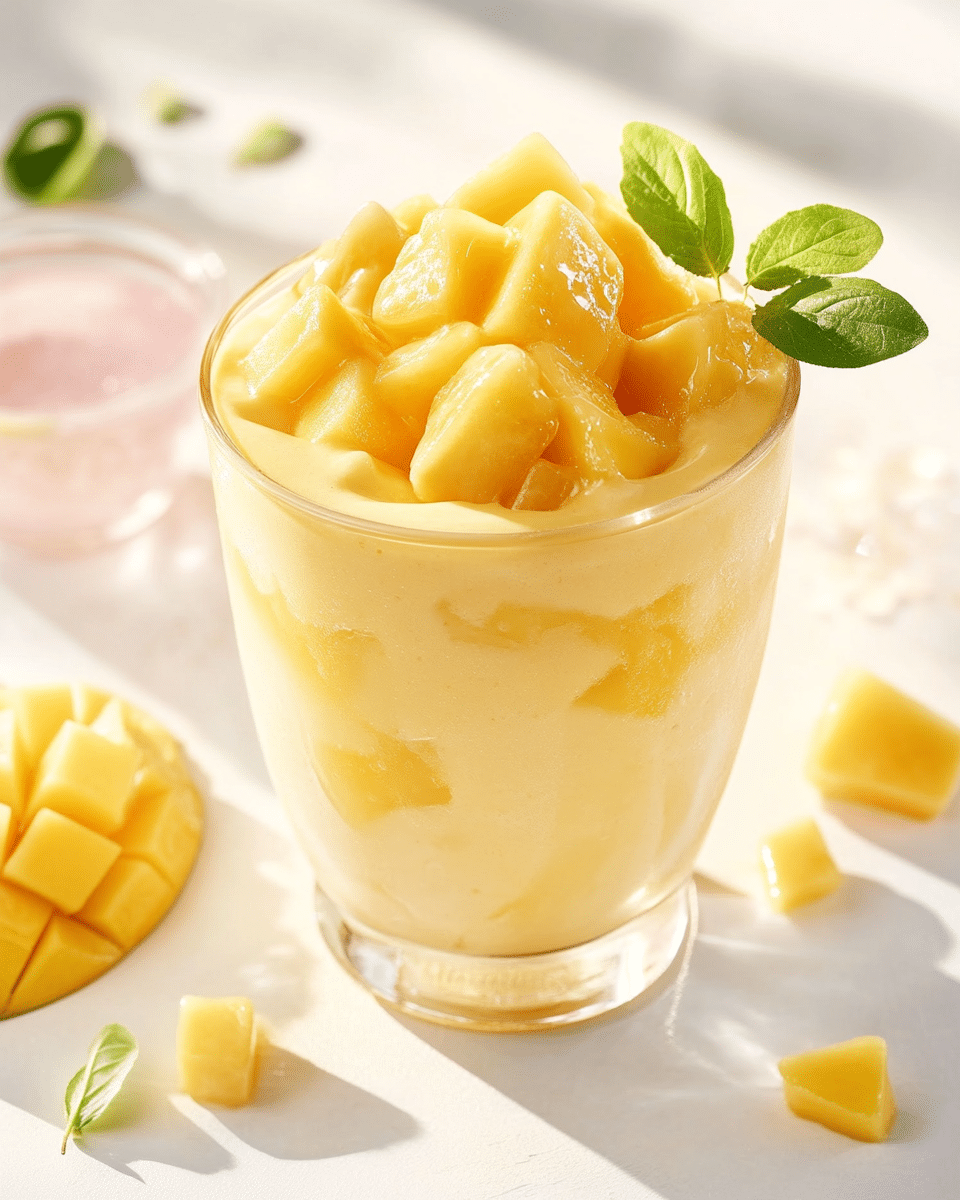
This smoothie emphasizes protein (from collagen) with a moderate amount of carbohydrates (from mango) and minimal fat. The fiber from mango contributes to satiety and digestive health. Adjust the mango amount to fine-tune the carb content for your needs.
Nutrition Information (per serving)
| Calories | Protein | Carbs | Fat | Fiber |
|---|---|---|---|---|
| 220 kcal | 25g | 30g | 2g | 3g |
Instructions
- Combine frozen mango chunks, collagen powder, water (or almond milk), and lime juice in a blender.
- Blend until smooth and creamy, adding more liquid if needed to reach your desired consistency.
- Pour into a glass and garnish with mint leaves, if desired.
- Enjoy immediately!
Key Terms Explained
| Term | Explanation | Why it matters here |
|---|---|---|
| Collagen | Collagen is the main structural protein in our bodies, like the ‘glue’ that holds things together. It’s important for skin, joints, and bones. | This recipe uses collagen powder to boost protein intake and support skin health. |
| Antioxidants | Antioxidants are molecules that fight free radicals, protecting cells from damage. They’re found in many fruits and vegetables. | Mangoes are a good source of antioxidants, which contribute to overall health. |
| Macronutrients | Macronutrients are the nutrients our bodies need in large amounts: protein, carbohydrates, and fats. They provide energy and support vital functions. | This recipe provides a balance of macronutrients, with a focus on protein from collagen. |