Low Calorie Gelatin Recipe
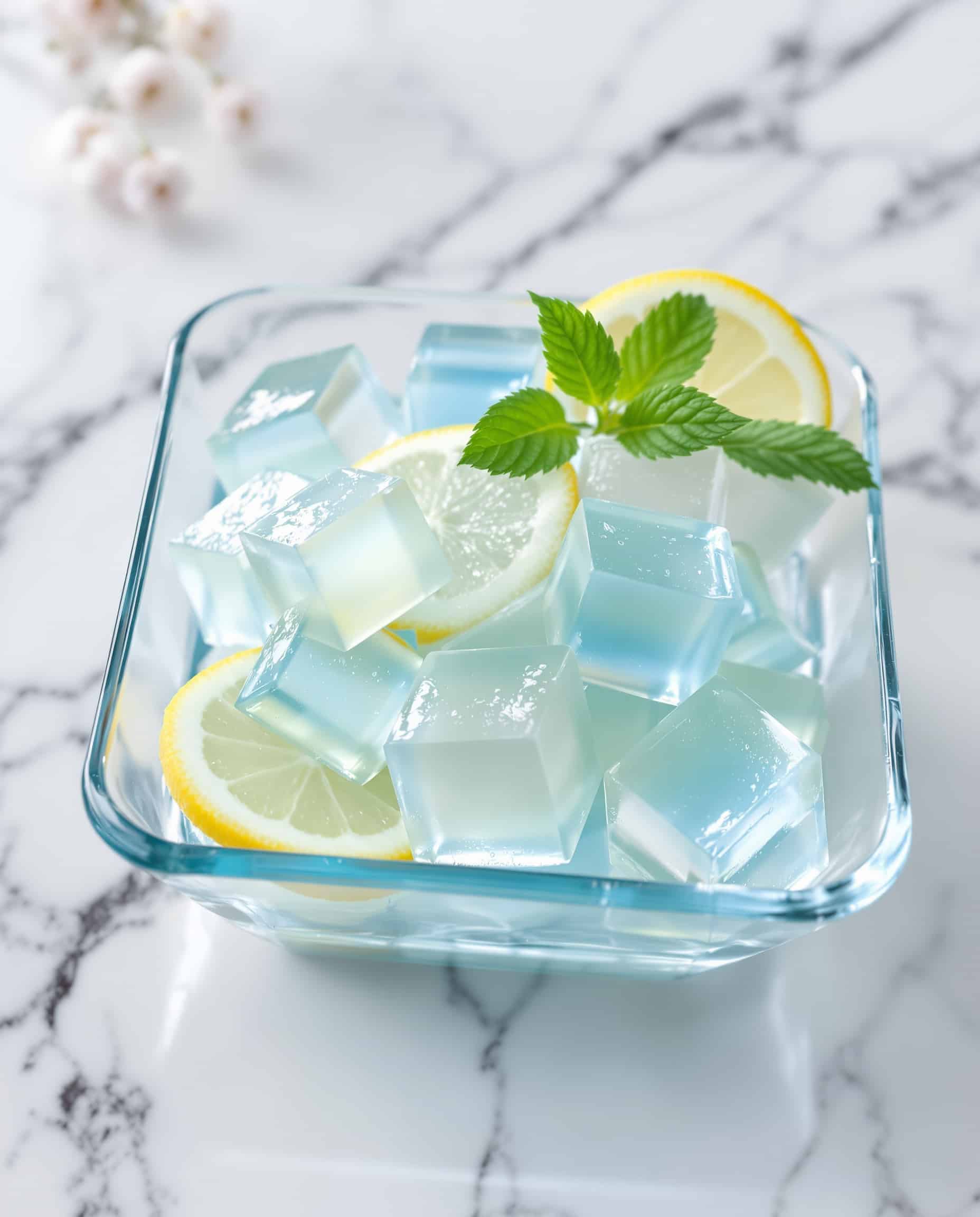
Looking for simple and delicious low calorie gelatin recipes to support your weight loss journey? Discover how this easy dessert can fit into a healthy lifestyle.
Let’s be honest: weight loss isn’t about deprivation; it’s about smart choices and understanding your body’s needs. Sometimes, you just want a light, refreshing treat that won’t derail your efforts. That’s where a fantastic low calorie gelatin recipe comes in. This isn’t a magic bullet, but it’s a tool in your arsenal to manage cravings and add a little joy without a caloric punch. I’ve been there, staring down a dessert menu, trying to figure out what won’t undo all my hard work. This recipe is designed to be simple, satisfying, and genuinely fit into a calorie deficit without feeling like a sacrifice.
| Prep Time | 15 minutes | Cook Time | 0 minutes |
| Servings | 6 | Calories | 12 kcal |
Ingredients
- 2 cups (480ml) cold water, divided
- 2 tablespoons (28g) unflavored gelatin powder
- 1/4 cup (60ml) fresh lemon juice
- 1-2 tablespoons (15-30ml) erythritol or stevia, or to taste
- 1 teaspoon gelatin natural food coloring (e.g., subtle blue or green)
- Pinch of salt
Recommended Tools You’ll Need
| Tool | Why You Need It |
|---|---|
| Medium Heat-Safe Bowl or Saucepan | Essential for blooming and dissolving the gelatin without scorching. |
| Whisk or Spoon | For thoroughly mixing ingredients and ensuring gelatin dissolves smoothly. |
| 8×8 inch Square Dish | Provides the ideal shape for cutting uniform, attractive gelatin cubes. |
| Sharp Knife | Crucial for clean, precise cuts to achieve those “net cubes” as described. |
Calorie Reality
At just 12 calories per serving, this gelatin is incredibly light. In a typical 1500-2000 kcal daily budget, this dessert accounts for less than 1% of your total intake. It’s an excellent choice for satisfying a sweet craving without significantly impacting your calorie goals, making it a sustainable option for weight management.
About Your Daily Budget: Your Total Daily Energy Expenditure (TDEE) is the number of calories your body burns in a day, including basal metabolism, activity, and digestion. To lose weight, you need to consistently consume fewer calories than your TDEE.
Diet Compatibility
Compatible with: Low-Calorie Diets, Keto (with appropriate sweetener), Low-Carb Diets, Sugar-Free Diets, Paleo (if consuming gelatin)
Not compatible with: Vegan, Vegetarian
Warning: Mixing Diets: Mixing and matching various diet approaches without understanding their underlying principles can be counterproductive and even harmful. For example, trying to be ‘keto-ish’ while still consuming high amounts of sugar can lead to lipogenesis (fat storage) because your body isn’t fully in ketosis to burn fat efficiently, but you’re still providing excess calories. Pick an approach that aligns with your health goals and stick to it consistently. Consult with a registered dietitian or doctor before making drastic dietary changes.
Expert Tips
For perfectly clear and jiggly gelatin, ensure your gelatin powder is fully bloomed and then completely dissolved without boiling. Boiling can weaken its gelling power. When cutting, dip your knife in warm water between cuts for cleaner edges. If you’re struggling with consistent calorie deficit, remember that small, enjoyable treats like this can prevent feelings of deprivation, making your journey more sustainable. Don’t aim for perfection, aim for consistency.
Macros Breakdown
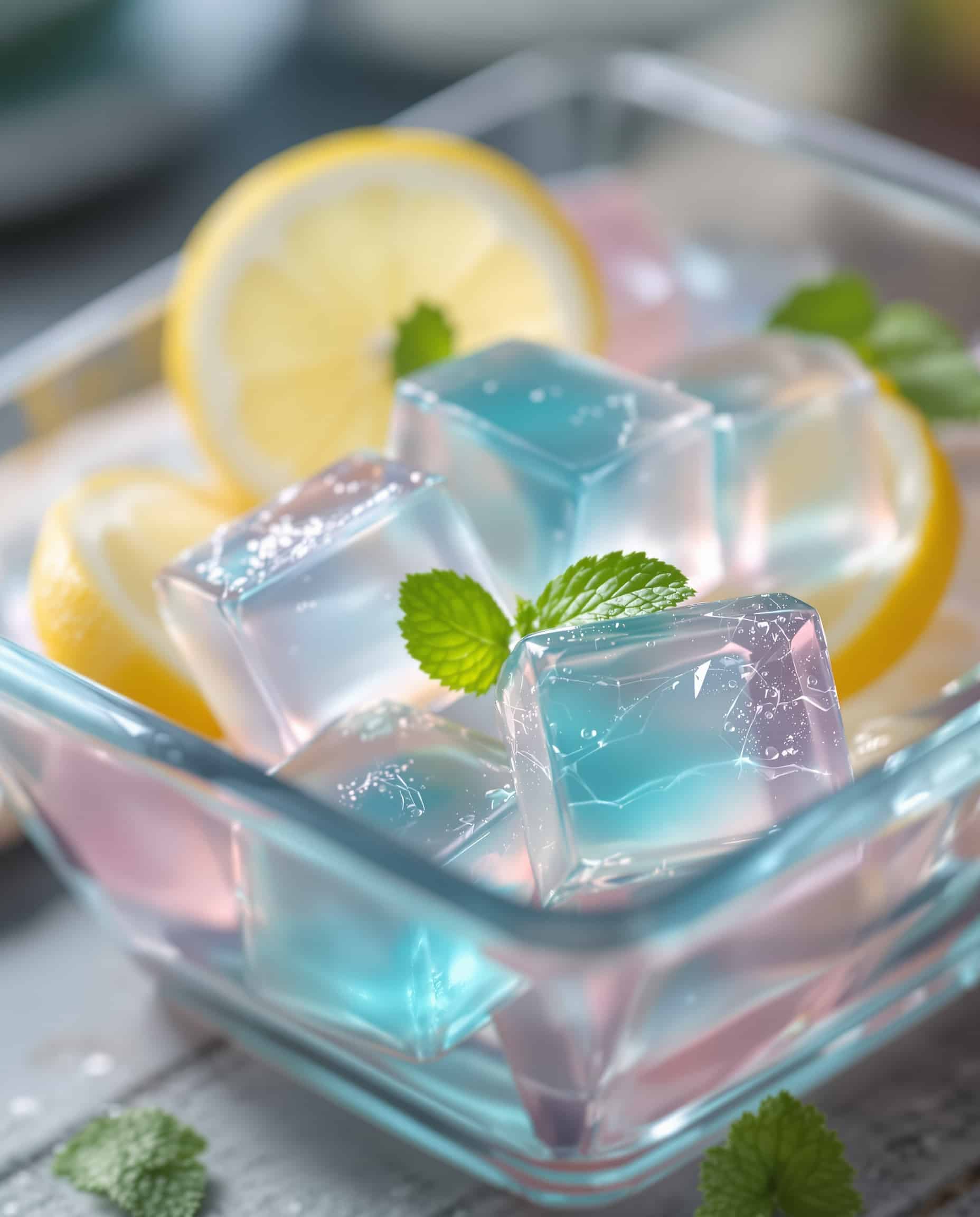
This recipe is almost entirely protein and water, making it a unique low-calorie dessert. The protein comes from the gelatin, which isn’t a complete protein but can contribute to satiety. The carb count is negligible, mostly from the lemon juice and sweetener. This macro profile makes it ideal for a light, guilt-free treat focused on hydration and protein without added fats or significant sugars.
Nutrition Information (per serving)
| Calories | Protein | Carbs | Fat | Fiber |
|---|---|---|---|---|
| 12 kcal | 2.3g | 0.7g | -g | -g |
Instructions
- Pour 1 cup (240ml) of the cold water into a medium heat-safe bowl or saucepan. Sprinkle the unflavored gelatin powder evenly over the water. Let it sit for 5-10 minutes to “bloom” (absorb the water and soften). This is crucial for a smooth texture.
- Once bloomed, gently heat the gelatin mixture over low heat, or use a microwave for 30-60 seconds, stirring until the gelatin is completely dissolved and the liquid is clear. Do not boil.
- Remove from heat and stir in the remaining 1 cup (240ml) of cold water, fresh lemon juice, erythritol (or stevia), gelatin natural food coloring, and a pinch of salt. Stir well to ensure everything is fully combined and the sweetener is dissolved.
- Carefully pour the mixture into a shallow square or rectangular dish (approximately 8×8 inches or similar).
- Refrigerate for at least 4 hours, or until firmly set. For best results, chill overnight.
- Once set, use a sharp knife to cut the gelatin into neat, light cubes. Serve immediately and enjoy your refreshing, low-calorie treat.
Key Terms Explained
| Term | Explanation | Why it matters here |
|---|---|---|
| Calorie Deficit | Consuming fewer calories than your body burns in a day, leading to weight loss. | This recipe is designed to be very low calorie, helping you stay in a deficit. |
| Gelatin | A protein derived from collagen, it’s known for its gelling properties and can aid satiety. | The primary ingredient, providing structure and a small protein boost. |
| Erythritol | A sugar alcohol that provides sweetness with almost no calories and minimal impact on blood sugar. | Used as a sugar substitute to keep the calorie count extremely low. |