Gelatin Trick Before Bed Recipe
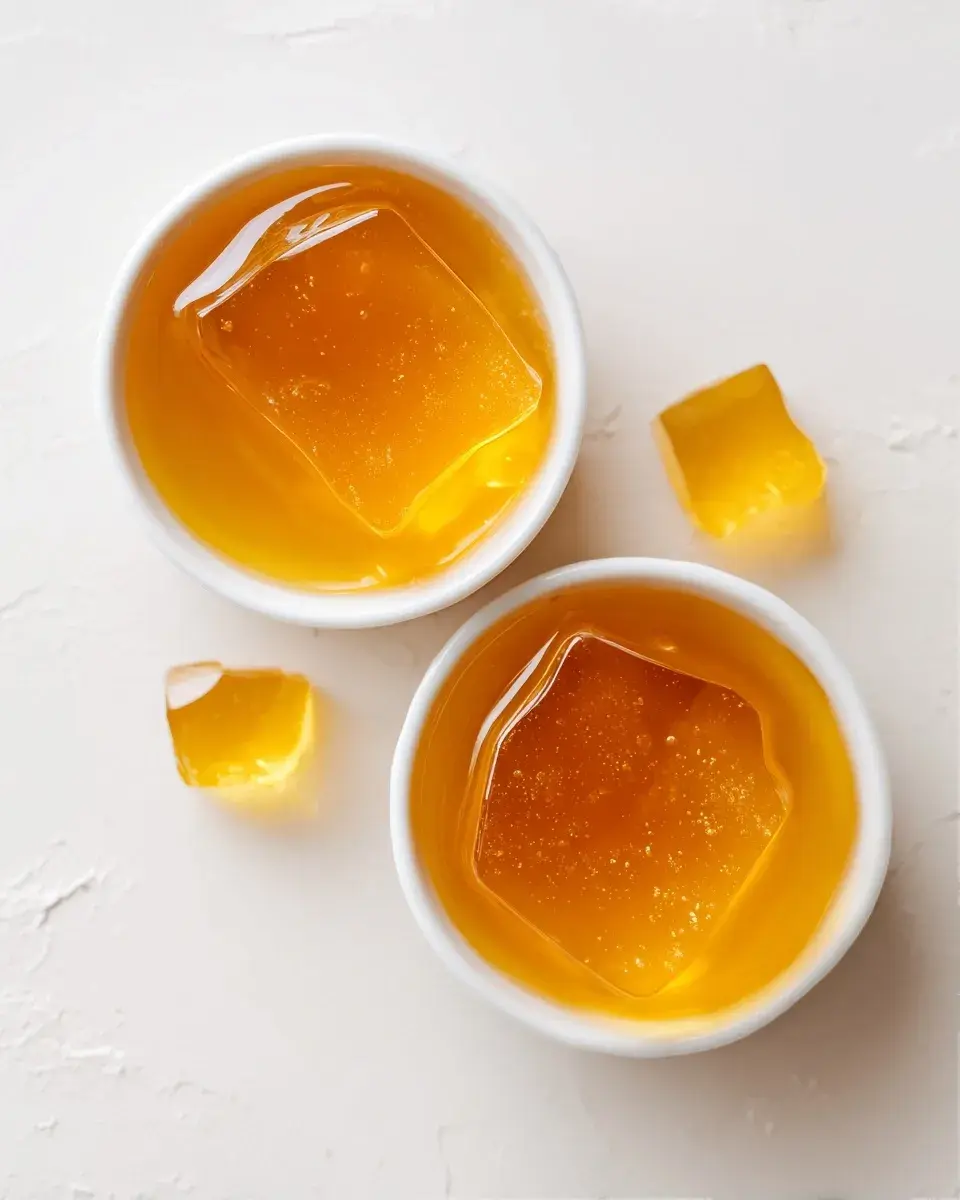
Discover the creamy gelatin trick before bed recipe that helps calm the nervous system and supports better sleep. Easy, low calorie, and science-backed for a restful night.
When you’re chasing a good night’s sleep, the last thing you want is a late‑night snack that spikes blood sugar or leaves you feeling bloated. Many people turn to sugary desserts or heavy protein shakes, but those can keep your body in a state of alertness instead of relaxation. The gelatin trick before bed recipe offers a simple, low‑calorie alternative that actually helps calm the nervous system. Gelatin, a protein derived from collagen, is gentle on the stomach and can be flavored with fruit juice to create a silky, clear gel that tastes like a dessert but behaves like a snack. This recipe is honest about its calorie content, provides a clear macro breakdown, and explains why it’s a smart choice for anyone looking to improve sleep quality without compromising nutrition. No gimmicks, just science-backed facts and a recipe you can make in minutes. The problem: many people crave something sweet before bed, but sugary treats can disrupt sleep and add unnecessary calories. The solution: a gelatin gel that’s low in carbs, high in protein, and soothing to the body. This recipe uses strained fruit juice for flavor, a small amount of natural sweetener, and a pinch of salt to balance taste. It’s a practical tool for anyone who wants a bedtime treat that won’t sabotage their health goals. We’ll walk you through the ingredients, the step‑by‑step process, the nutrition profile, and how to store leftovers. We’ll also cover variations, healthier swaps, and the science behind why gelatin can help you wind down. By the end, you’ll have a clear, honest understanding of whether this bedtime gel fits into your diet and how it can support a restful night. Ready to try a bedtime snack that actually works? Let’s dive in.
| Prep Time | 10 | Cook Time | – |
| Servings | 6 | Calories | 45 kcal |
Ingredients
- 3 cups strained mixed berry juice
- 1 tablespoon honey
- 1 teaspoon sea salt
- 1 teaspoon vanilla extract
- 1 tablespoon gelatin powder
- 1 cup cold water
Recommended Tools You’ll Need
| Tool | Why You Need It |
|---|---|
| Small saucepan | Needed to gently heat the juice and dissolve the gelatin |
| Whisk | Ensures gelatin blends smoothly without lumps |
| Shallow dish or silicone mold | Provides a flat surface for even cooling and easy cutting |
| Airtight container | Keeps leftovers fresh and prevents odor absorption |
Calorie Reality
If you’re aiming for a 1,800‑calorie daily budget, this gel accounts for only 2.5% of your total intake, leaving plenty of room for balanced meals throughout the day.
About Your Daily Budget: Your Total Daily Energy Expenditure (TDEE) is the sum of calories burned at rest, during activity, and through digestion. A 45‑calorie snack is negligible compared to a typical TDEE of 1,800‑2,200 calories.
Diet Compatibility
Compatible with: Low‑carb, Keto (if honey omitted), Mediterranean, Paleo
Not compatible with: Very low‑protein diets, Strict vegan
Warning: Mixing Diets: Because gelatin is derived from animal collagen, it can increase lipogenesis if consumed in excess. However, at 45 calories per serving, the impact is negligible for most people. Pairing with a protein‑rich dinner can help balance macronutrients.
Macros Breakdown
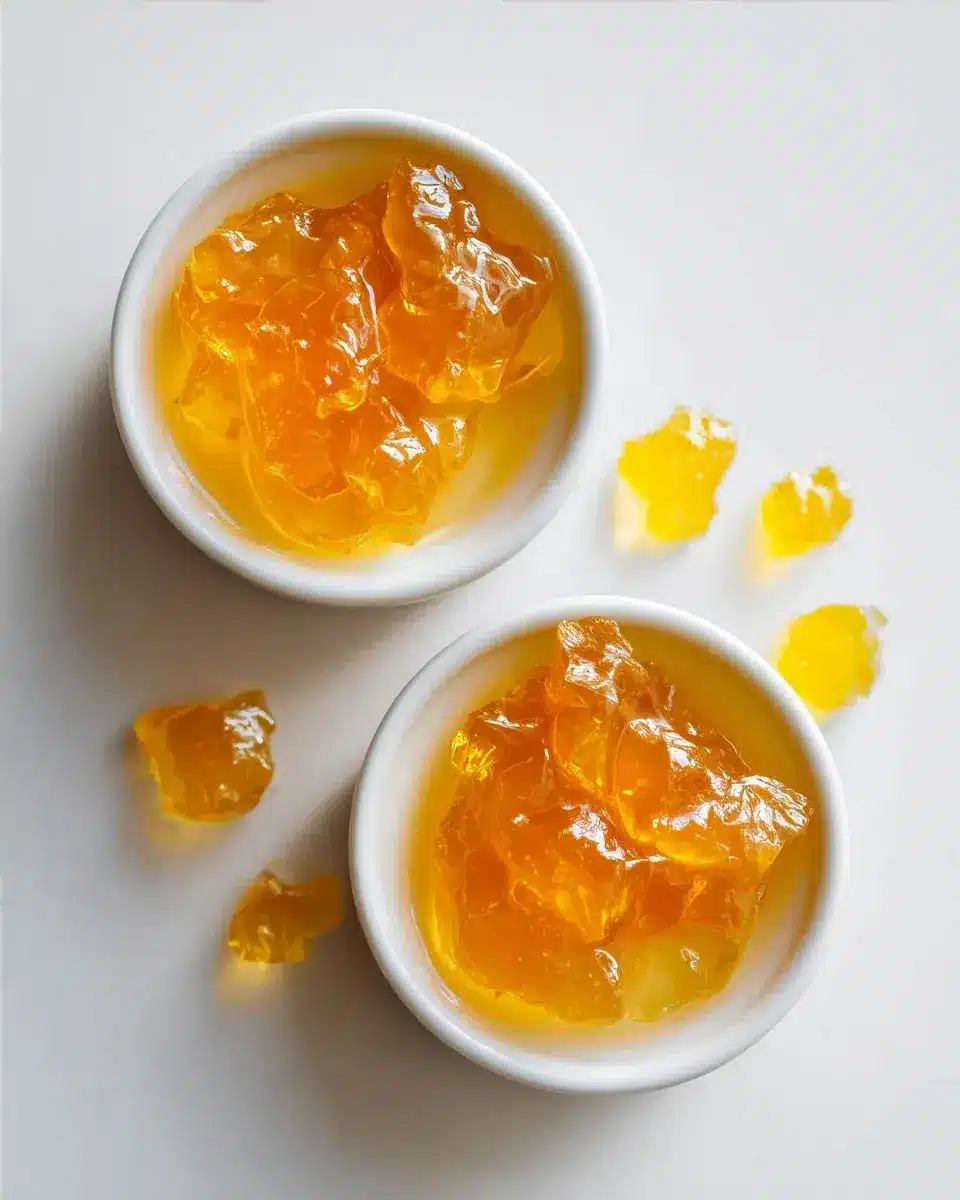
The protein content comes almost entirely from gelatin, which is about 75% collagen peptides. Carbs are mainly from the honey and fruit juice, while fat is minimal. This profile makes it a low‑calorie, low‑fat snack that still provides a modest protein boost.
Nutrition Information (per serving)
| Calories | Protein | Carbs | Fat | Fiber |
|---|---|---|---|---|
| 45 kcal | 2.5g | 10g | 0.5g | 0.5g |