Gelatin Trick with Aloe Vera
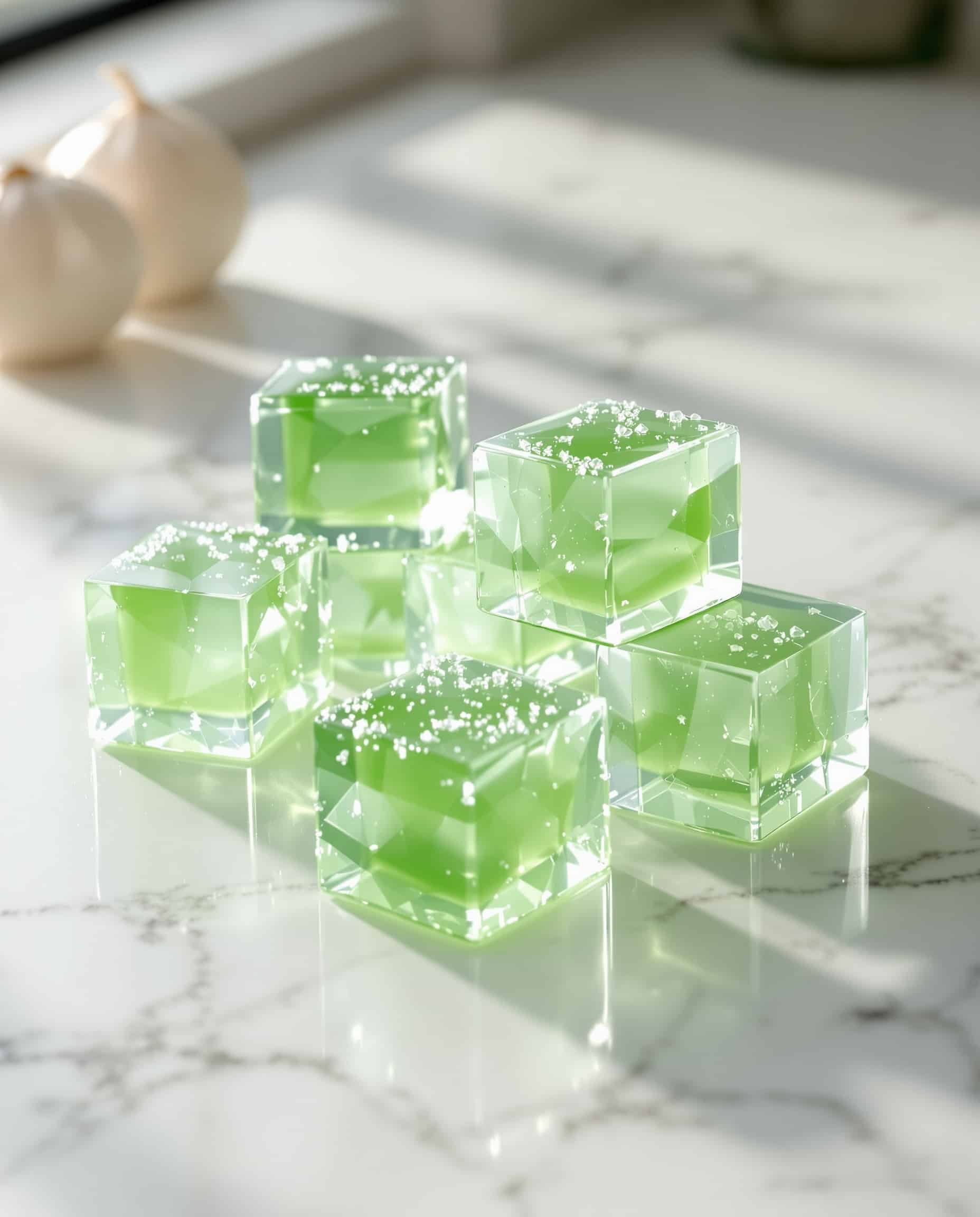
Unlock the ‘gelatin trick with aloe vera’ for a simple, satisfying snack that supports your weight loss goals. Learn about calories, macros, and smart nutrition. No B.S. here.
Let’s be honest: weight loss can feel like a riddle wrapped in an enigma, especially when diet culture throws every ‘superfood’ claim at you. The truth is, it often boils down to understanding your body and making sustainable choices. This “gelatin trick with aloe vera” recipe isn’t a magic bullet – nothing is – but it offers a genuinely satisfying, low-calorie option that can help you feel full without busting your calorie budget. It’s about smart swaps and understanding how certain ingredients, like gelatin and aloe vera, can play a supporting role in your journey. No preachy advice, just science-backed information to empower you.
| Prep Time | 10 minutes | Cook Time | 0 minutes |
| Servings | 4 | Calories | 25 kcal |
Ingredients
- 1 cup pure aloe vera juice (no added sugar)
- 2 tablespoons unflavored gelatin powder
- 1 cup cold water
- 1/4 cup fresh lime juice (about 2 limes)
- 2 tablespoons erythritol or stevia blend (or to taste)
- 1 tsp vert-transparent natural food coloring
Recommended Tools You’ll Need
| Tool | Why You Need It |
|---|---|
| Small saucepan | For gently dissolving the gelatin without scorching. |
| Whisk | Ensures even mixing and prevents lumps for a smooth texture. |
| Measuring cups and spoons | Precision in ingredients is key for consistent results and calorie tracking. |
| Clean glass container or shallow dish | For setting the gelatin and easy cutting into cubes. |
Calorie Reality
At just 25 calories per serving, this gelatin trick with aloe vera fits wonderfully into a typical 1500-2000 kcal daily budget. It’s a low-impact snack that can satisfy a sweet craving or provide a light, hydrating bite without significantly impacting your overall intake. Think of it as a smart choice that leaves plenty of room for nutrient-dense meals.
About Your Daily Budget: Your Total Daily Energy Expenditure (TDEE) is the total number of calories your body burns in a day. It includes your Basal Metabolic Rate (BMR), physical activity, and the thermic effect of food. Understanding your TDEE is crucial for creating a calorie deficit for weight loss.
Diet Compatibility
Compatible with: Low-Calorie Diets, Keto (with appropriate sweeteners), Low-Carb Diets, Gluten-Free, Dairy-Free
Not compatible with: Vegan (gelatin is animal-derived), Vegetarian (gelatin is animal-derived)
Warning: Mixing Diets: Mixing and matching various diet approaches without a clear understanding can be counterproductive and even unhealthy. For instance, combining high-fat keto with high-carb ‘clean eating’ can lead to excess calorie intake and promote lipogenesis (fat storage) because your body struggles to efficiently process vastly different macronutrient ratios simultaneously. Stick to one well-understood, sustainable approach that aligns with your health goals, or consult a registered dietitian for personalized guidance. I am not a doctor.
Expert Tips
For the best texture, ensure your gelatin is fully dissolved before adding other liquids. Any undissolved granules will lead to a grainy texture. If you prefer a firmer cube, add an extra half-tablespoon of gelatin. For optimal weight loss success, integrate these cubes as a replacement for higher-calorie snacks, not as an addition to your current intake. Always read labels on aloe vera juice to ensure no added sugars, which can quickly negate the low-calorie benefit.
Macros Breakdown
This recipe is primarily a source of protein from the gelatin, offering a satisfying feeling that can help curb appetite. The carbs come mainly from the small amount in aloe vera juice and any residual from sweeteners. It’s virtually fat-free. This macro profile makes it an excellent choice for a low-calorie, high-satiety snack, especially if you’re looking to boost protein intake without adding significant calories or fat.
Nutrition Information (per serving)
| Calories | Protein | Carbs | Fat | Fiber |
|---|---|---|---|---|
| 25 kcal | 3g | 3g | -g | -g |
Instructions
- In a small saucepan, combine 1/2 cup of the cold water with the unflavored gelatin powder. Let it sit for 5 minutes to ‘bloom’ (this allows the gelatin to absorb water and soften).
- Gently heat the gelatin mixture over low heat, stirring constantly, until the gelatin is fully dissolved. Do not boil.
- Remove from heat and stir in the remaining 1/2 cup cold water, pure aloe vera juice, fresh lime juice, erythritol/stevia, and the vert-transparent natural food coloring until well combined.
- Pour the mixture into a clean glass container or a shallow dish.
- Refrigerate for at least 4 hours, or until firmly set.
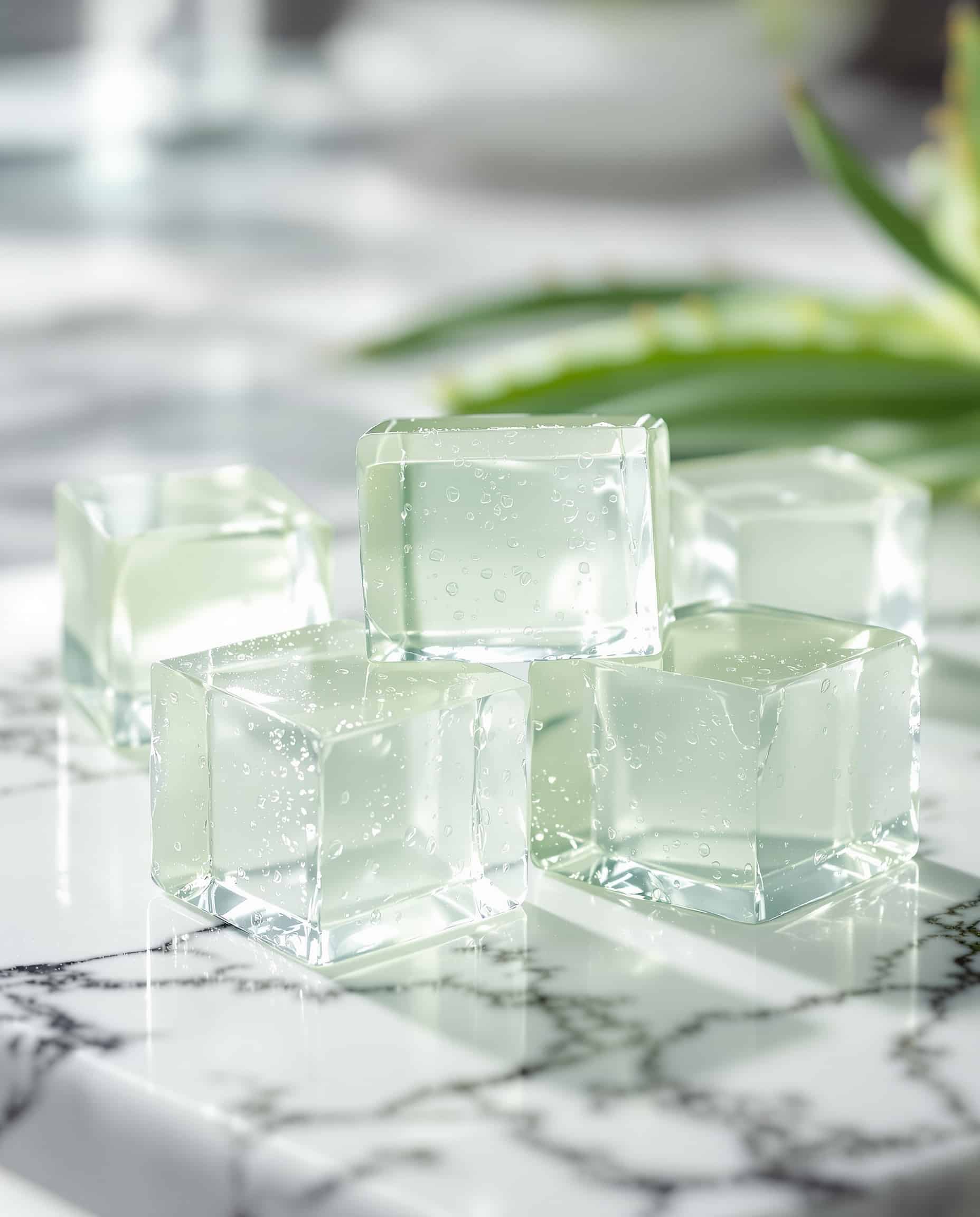
- Once set, cut into vert-transparent jiggly cubes and serve cold.
Key Terms Explained
| Term | Explanation | Why it matters here |
|---|---|---|
| Calorie Deficit | Consuming fewer calories than your body burns, leading your body to use stored energy (fat) for fuel. | This recipe is low in calories, making it easy to fit into a calorie deficit. |
| Satiety | The feeling of fullness and satisfaction after eating, which helps prevent overeating. | Gelatin’s protein content can contribute to increased satiety. |
| Gelatin | A protein derived from collagen (animal connective tissues), known for its gelling properties and amino acid profile. | Provides structure to the cubes and contributes protein for satiety. |
| Aloe Vera | A plant known for its hydrating properties; the juice is often consumed for digestive support. | Adds hydration and a unique subtle flavor without significant calories. |