Jello
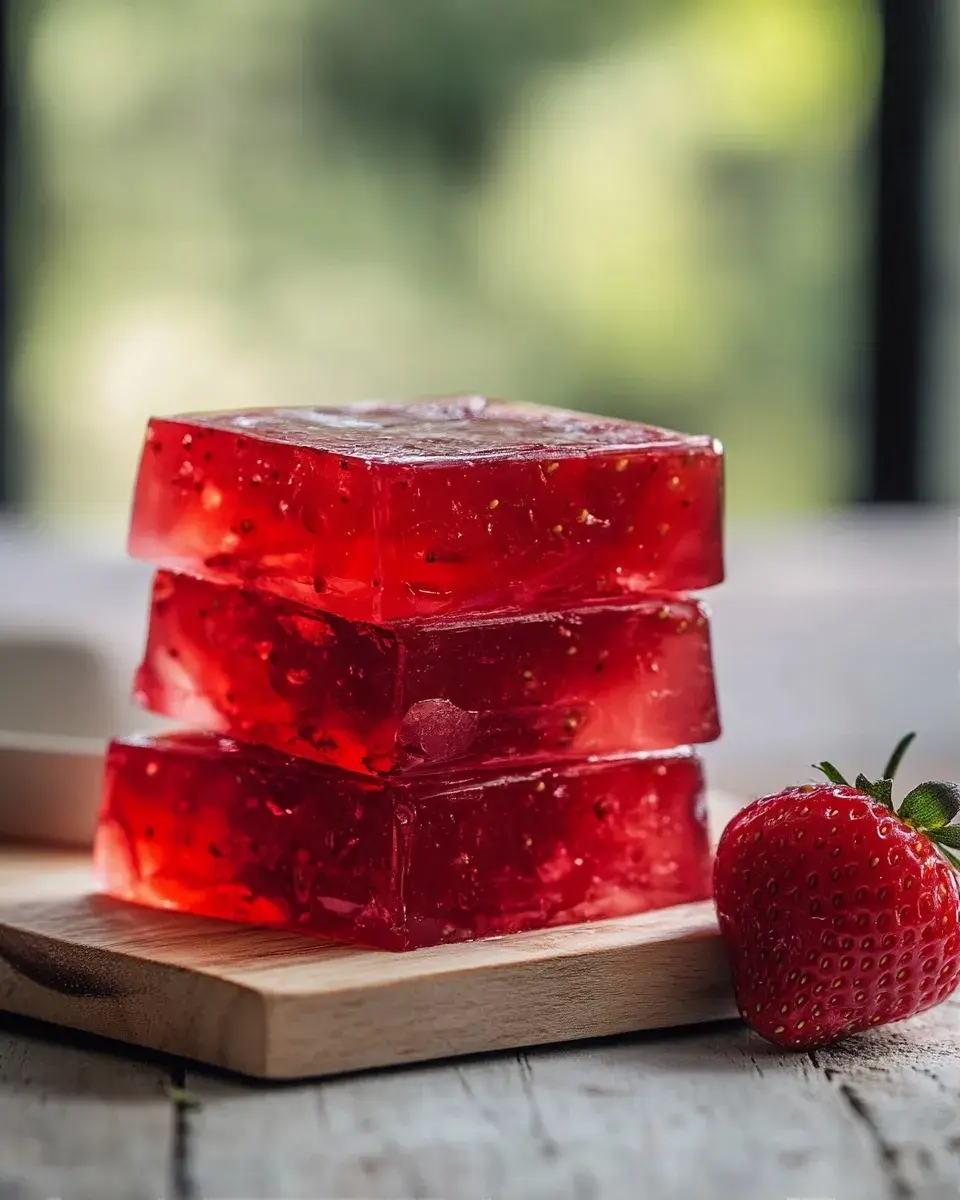
Craving something sweet? Explore 10 guilt-free jello recipes packed with flavor! Learn about jello’s impact on your diet and make smart choices.
We all have memories of wobbly, colorful jello. It’s a classic dessert, but often gets a bad rap. Can jello fit into a healthy lifestyle? The honest truth is, it depends. Jello itself is mostly sugar and gelatin, but we can make smarter choices. This guide isn’t about restrictive dieting, it’s about understanding how to enjoy jello responsibly and explore some delicious, lower-sugar options, so you can enjoy all kinds of jello recipes.
| Prep Time | 15 | Cook Time | 180 |
| Servings | 6 | Calories | 20 kcal |
Ingredients
- 1 (3 ounce) package sugar-free jello (any flavor)
- 1 cup boiling water
- 1 cup cold water
- Optional: Fresh fruit (berries, sliced peaches, etc.)
Recommended Tools You’ll Need
| Tool | Why You Need It |
|---|---|
| Mixing Bowl | To properly dissolve the jello powder. |
| Whisk | Ensures even mixing and prevents clumps. |
| Measuring Cups | For accurate liquid measurements. |
| Serving Cups or Bowl | To set and serve the jello. |
Calorie Reality
At only 20 calories per serving, this jello is a light treat! However, calories still count. Consider how this snack fits into your total daily intake. Small choices add up, so be mindful of your overall calorie goals.
About Your Daily Budget: Your TDEE (Total Daily Energy Expenditure) is the number of calories you burn daily. This depends on age, sex, height, and activity level. A slight deficit helps with weight management.
Diet Compatibility
Compatible with: Weight Watchers, Low-Fat Diets, Diabetic-Friendly (in moderation)
Not compatible with: Keto (unless using keto-friendly sweetener and gelatin), High-Protein Diets
Warning: Mixing Diets: While this jello is low in calories, remember that consuming large amounts of simple sugars, even from ‘diet’ sources, can still contribute to lipogenesis – the process where your body converts excess carbohydrates into fat. Moderation is key for those watching their weight.
Expert Tips
For a creamier texture, try adding a dollop of plain Greek yogurt or a splash of unsweetened almond milk after the jello has partially set. Eating more fiber can also aid in weight loss, as it increases fullness and helps regulate blood sugar levels.
Macros Breakdown
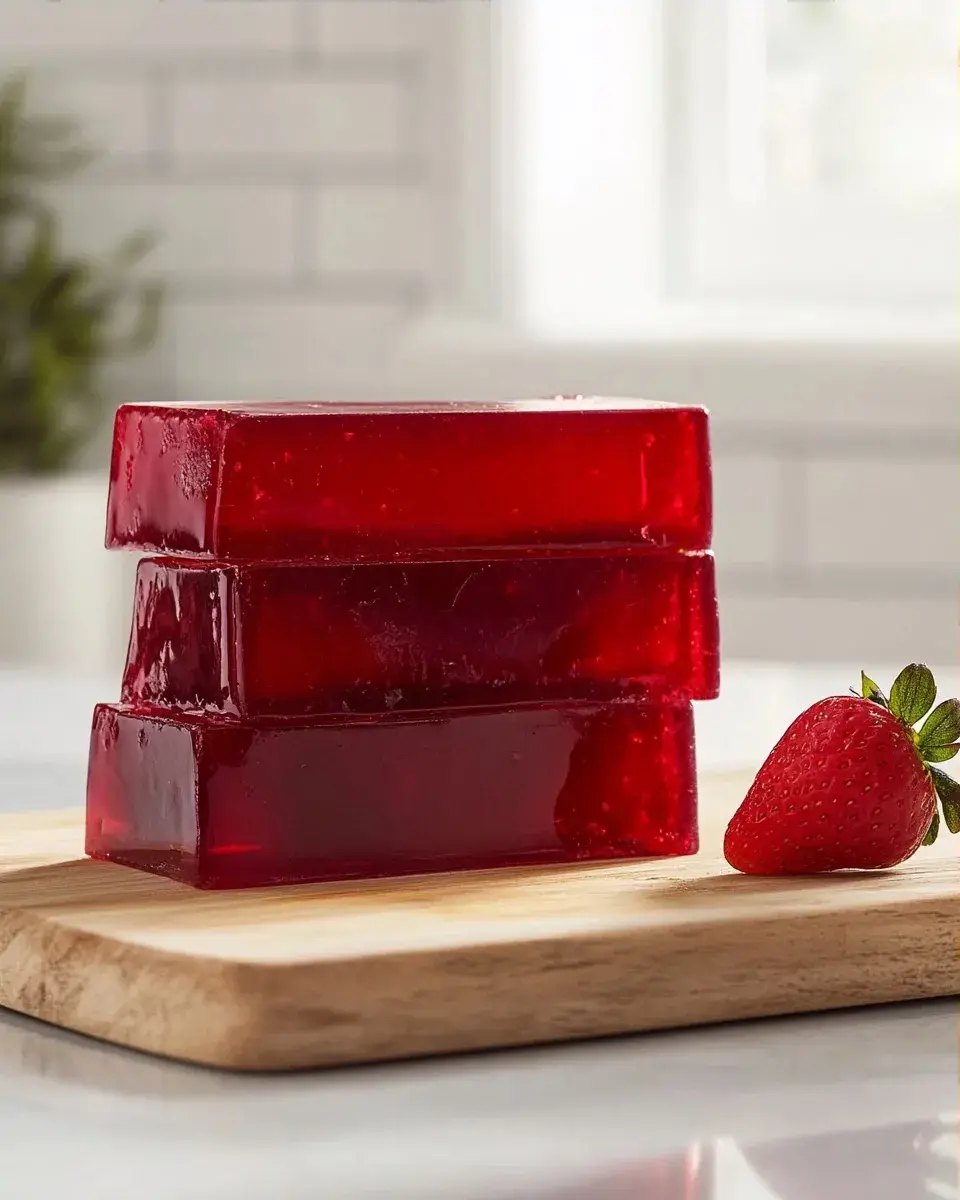
This jello is very low in fat and protein, and low in carbs. Fiber is non-existent. This means it won’t keep you full for long. It’s best enjoyed as a small treat alongside a more substantial snack.
Nutrition Information (per serving)
| Calories | Protein | Carbs | Fat | Fiber |
|---|---|---|---|---|
| 20 kcal | 1g | 4g | -g | -g |
Instructions
- In a bowl, dissolve the sugar-free jello powder in 1 cup of boiling water. Stir until completely dissolved.
- Add 1 cup of cold water to the bowl and stir to combine.
- If using, add fresh fruit to the jello mixture.
- Pour the jello mixture into individual serving cups or a larger bowl.
- Refrigerate for at least 3 hours, or until the jello is completely set.
Key Terms Explained
| Term | Explanation | Why it matters here |
|---|---|---|
| Gelatin | Gelatin is a protein derived from collagen. It’s what gives jello its signature wobbly texture. It is often used as a thickening agent. | Gelatin is crucial for the jello’s structure and texture. |
| Calorie Deficit | A calorie deficit means you’re consuming fewer calories than you burn. This forces your body to use stored energy (fat) for fuel, leading to weight loss. | Understanding calorie deficits helps you enjoy treats like jello while still managing your weight. |
| Macronutrients | Macronutrients are the main nutrients your body needs: protein, carbohydrates, and fats. They provide energy and support various bodily functions. | Knowing the macronutrient breakdown of this jello helps you balance your diet. |