Cottage Cheese Ice Cream Viral
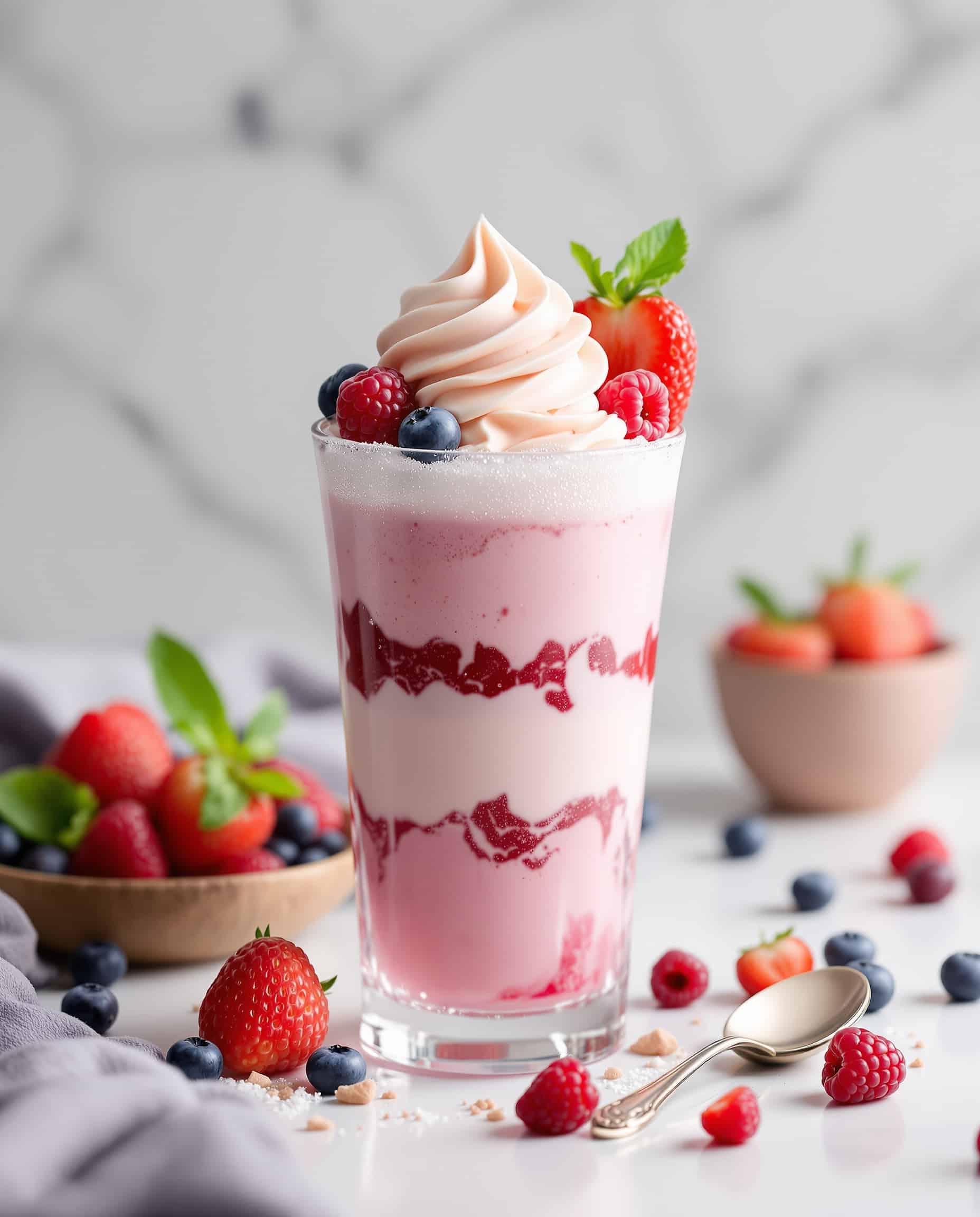
Unlock the truth behind the viral cottage cheese ice cream trend! This recipe offers a high-protein, satisfying treat that fits your weight loss goals, explained with science, not hype.
The internet is buzzing with ‘cottage cheese ice cream viral’ recipes, promising a guilt-free dessert that tastes just like the real thing. And honestly, for once, the internet isn’t entirely wrong. The problem with many trending recipes is a lack of understanding about *why* they work for your goals – or if they even do. Many people jump on food trends without considering the nutritional impact, especially when it comes to weight loss. This recipe isn’t just about making a delicious, high-protein alternative to traditional ice cream; it’s about understanding how to incorporate such treats into a sustainable eating pattern. We’ll dive into the science, the macros, and how this simple dessert can actually be a smart move for your health and weight management journey.
| Prep Time | 10 minutes | Cook Time | 0 minutes |
| Servings | 2 | Calories | 170 kcal |
Ingredients
- 1 cup (226g) cottage cheese, full-fat or reduced-fat (see notes)
- 2 tbsp (30ml) milk (any kind)
- 2 tbsp (30ml) maple syrup OR 1-2 tbsp (15-30ml) erythritol/stevia blend (for lower sugar)
- 1/2 tsp vanilla extract
- 1 tsp beet powder OR raspberry powder OR freeze-dried strawberry powder (for natural pink color)
- Optional: 1/4 cup (30g) mixed berries (for garnish)
Recommended Tools You’ll Need
| Tool | Why You Need It |
|---|---|
| High-Speed Blender or Food Processor | Essential for achieving a perfectly smooth, lump-free cottage cheese base, mimicking traditional ice cream texture. |
| Freezer-Safe Container | Crucial for proper freezing and storage, preventing freezer burn and maintaining texture. |
| Measuring Cups and Spoons | Ensures accurate ingredient ratios for consistent flavor and nutritional values, especially important for weight management. |
| Spatula | Helps scrape down the blender sides for thorough mixing and transfers the mixture efficiently, minimizing waste. |
Calorie Reality
At 170 calories per serving (using full-fat cottage cheese and maple syrup), this treat fits comfortably into a typical 1500-2000 kcal daily budget. It’s a significant upgrade from a 300-400 calorie traditional ice cream serving, allowing you to enjoy a satisfying dessert without derailing your overall caloric intake for the day. Think of it as a smart swap, not a ‘free’ food.
About Your Daily Budget: Your Total Daily Energy Expenditure (TDEE) is the total number of calories your body burns in a 24-hour period. This includes your basal metabolic rate (BMR), physical activity, and the thermic effect of food. Understanding your TDEE is fundamental to creating a calorie deficit for weight loss, as you need to consume fewer calories than you burn.
Diet Compatibility
Compatible with: High-Protein Diets, Calorie-Deficit Diets, Mediterranean-ish Diets (with whole food focus), Vegetarian Diets
Not compatible with: Vegan Diets, Strict Ketogenic Diets (due to lactose/carbs in cottage cheese and maple syrup), Dairy-Free Diets, Paleo Diets
Warning: Mixing Diets: Mixing and matching diet approaches without understanding the ‘why’ behind each can be a recipe for frustration, not success. For example, trying to be ‘keto’ and ‘low-fat’ simultaneously often leads to insufficient energy and nutrient deficiencies. Each dietary approach has its own principles, and cherry-picking elements without a holistic understanding can disrupt metabolic processes, potentially leading to issues like inefficient energy utilization or increased lipogenesis (fat storage). Stick to one research-backed approach, or consult a registered dietitian to tailor one for you.
Expert Tips
For optimal creaminess, ensure your cottage cheese is full-fat or at least reduced-fat; non-fat versions might yield a slightly icier texture due to less fat content. If you’re using reduced-fat cottage cheese, consider adding a tablespoon of nut butter or a few drops of coconut cream to boost richness. For weight loss, focus on portion control. While it’s a healthier alternative, over-consuming any food, even high-protein ones, can hinder your progress. One serving is perfect for a satisfying, goal-aligned treat. Adjust sweetness to your preference, but remember less sugar is always a smart move for health and weight management.
Macros Breakdown
This recipe shines with its high protein content, a crucial macronutrient for weight loss. Protein helps with satiety, keeping you feeling fuller for longer, which can reduce overall calorie intake. It also supports muscle maintenance, especially important during a calorie deficit. The moderate carbs come from milk and sweetener, while healthy fats from cottage cheese contribute to satisfaction and nutrient absorption. This balance helps prevent energy crashes often associated with high-sugar desserts.
Nutrition Information (per serving)
| Calories | Protein | Carbs | Fat | Fiber |
|---|---|---|---|---|
| 170 kcal | 18g | 15g | 6g | 1g |
Instructions
- Combine cottage cheese, milk, maple syrup (or sweetener), vanilla extract, and the natural pink colorant (beet, raspberry, or strawberry powder) in a high-speed blender or food processor.
- Blend until completely smooth and creamy. Scrape down the sides as needed to ensure no lumps remain. The mixture should be a beautiful, uniform rose pink.
- Taste and adjust sweetness or vanilla if desired. Keep in mind that flavors mellow slightly when frozen.
- Pour the mixture into a shallow freezer-safe container. For a softer ‘soft-serve’ consistency, freeze for 1-2 hours. For a firmer ‘scoopable’ ice cream, freeze for 3-4 hours. You might need to let it sit out for 5-10 minutes before scooping if it’s very firm.
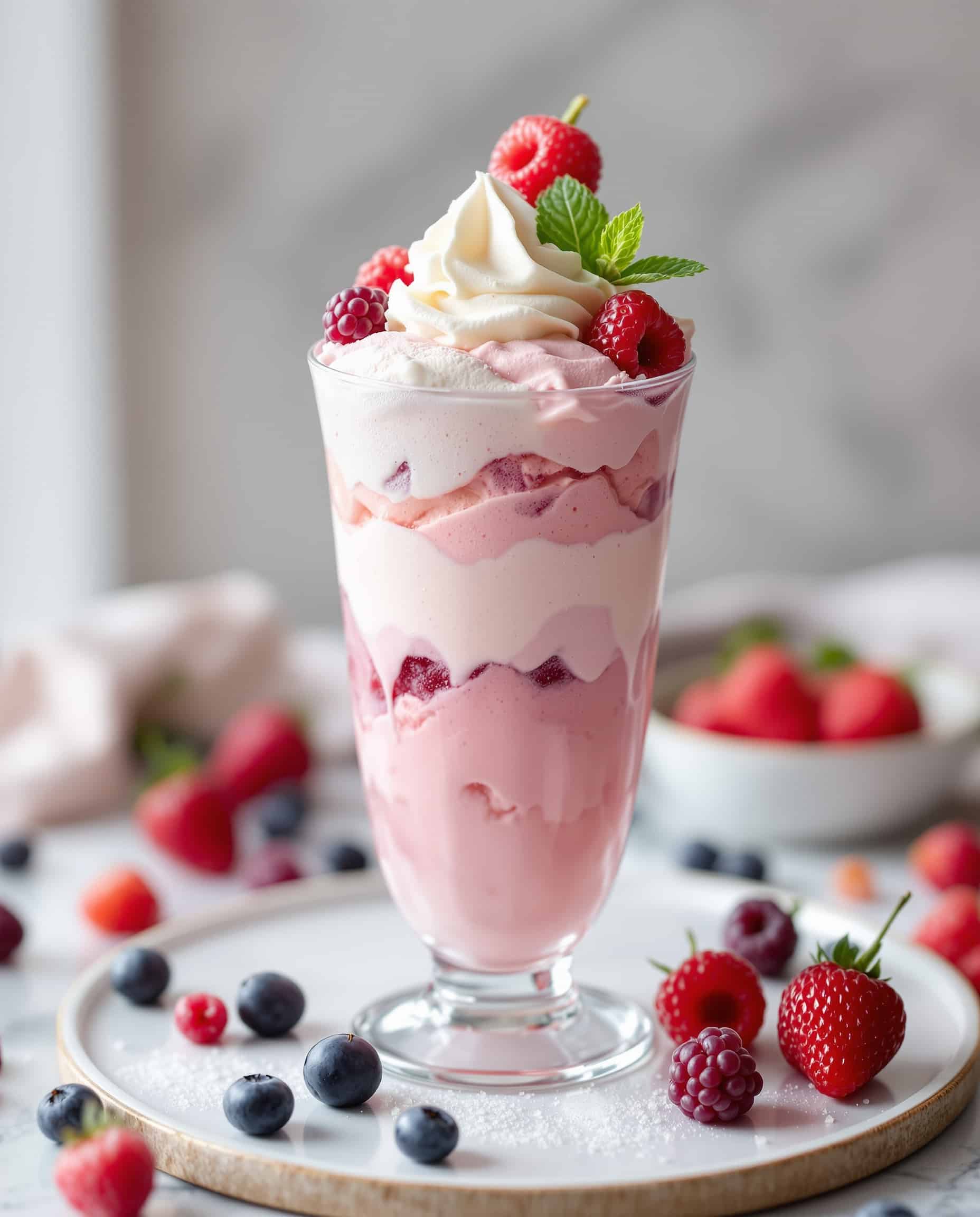
- Serve in an iced glass, topped with fresh mixed berries if using. Enjoy your high-protein, rose pastel layered treat!
Key Terms Explained
| Term | Explanation | Why it matters here |
|---|---|---|
| Calorie Deficit | Consuming fewer calories than your body expends, forcing your body to use stored energy (fat) for fuel. | This recipe helps create a deficit by offering a lower-calorie, high-satiety dessert option. |
| Satiety | The feeling of fullness and satisfaction after eating, which helps reduce the desire to eat more. | The high protein in cottage cheese significantly boosts satiety, helping curb cravings. |
| Macronutrients | The three main components of food: proteins, carbohydrates, and fats, needed in large amounts for energy and bodily functions. | Understanding macros in this recipe helps you see its protein-rich advantage for weight loss. |
| Thermogenic Effect of Food (TEF) | The energy expended by your body to digest, absorb, and metabolize food. Protein has the highest TEF. | The high protein content means your body burns slightly more calories just processing this dessert. |