Cottage Cheese Flatbread for Weight Loss
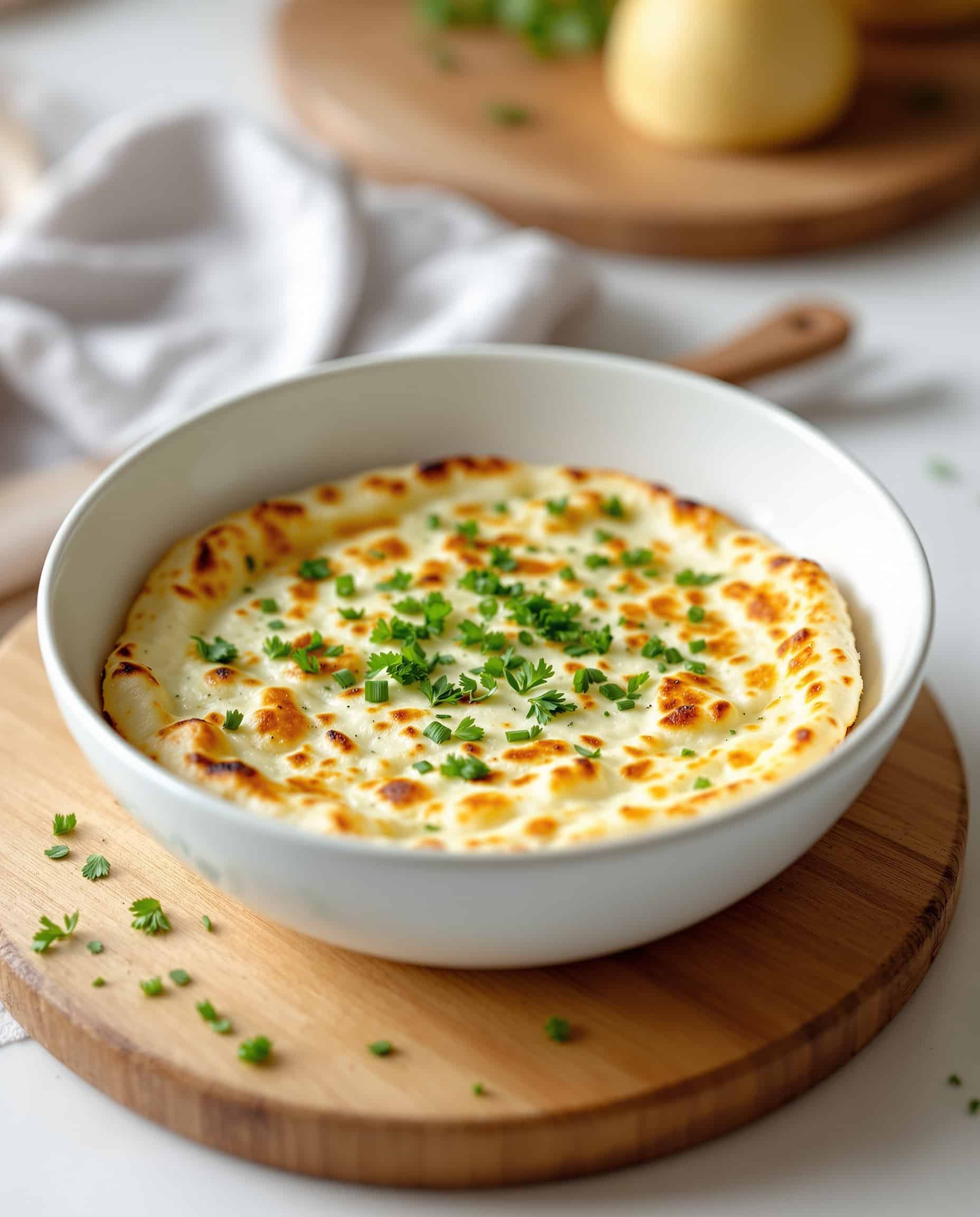
Craving a satisfying, high-protein meal that supports your weight loss goals? This 15-minute cottage cheese flatbread recipe is a game-changer. Science-backed, easy, and delicious.
Let’s be honest: navigating the world of weight loss can feel like a minefield of conflicting advice and restrictive diets. The problem isn’t always a lack of effort; it’s often a lack of sustainable, satisfying options. That’s where this cottage cheese flatbread comes in. Forget bland, cardboard-like diet food. This recipe offers a high-protein, surprisingly simple solution to kick those carb cravings while keeping you full and on track. I’m not a doctor, but I do dig into the science, and this flatbread is a fantastic tool for creating a calorie deficit without feeling deprived. It’s delicious, versatile, and, most importantly, fits into a practical approach to managing your weight.
| Prep Time | 5 minutes | Cook Time | 10 minutes |
| Servings | 2 | Calories | 195 kcal |
Ingredients
- 1 cup (226g) 2% cottage cheese
- 1 large egg
- 2 tablespoons (16g) almond flour
- 1/2 teaspoon garlic powder
- 1/4 teaspoon onion powder
- 1/4 teaspoon dried oregano
- Pinch of sea salt
- Pinch of black pepper
- 1 tsp blanc natural food coloring (optional, for visual appeal)
- Cooking spray or light olive oil for greasing
Recommended Tools You’ll Need
| Tool | Why You Need It |
|---|---|
| Baking Sheet | Essential for even baking and creating a consistent flatbread shape. |
| Parchment Paper | Prevents sticking and makes for easy removal and cleanup. |
| Mixing Bowl | For combining ingredients thoroughly before baking. |
| Spatula or Spoon | To spread the batter evenly for a uniform flatbread thickness. |
Calorie Reality
At 195 calories per serving, this cottage cheese flatbread fits comfortably into a typical 1500-2000 calorie daily budget for weight loss. For someone aiming for 1500 calories, one serving is about 13% of their daily intake, leaving plenty of room for other nutrient-dense meals. For a 2000-calorie budget, it’s less than 10%. This recipe is designed to be a substantial, satisfying component of a balanced meal, not just a tiny snack.
About Your Daily Budget: Your Total Daily Energy Expenditure (TDEE) is the total number of calories your body burns in a 24-hour period, including basal metabolism, physical activity, and food digestion. To lose weight, you generally need to consume fewer calories than your TDEE, creating a calorie deficit. This flatbread helps achieve that without feeling starved.
Diet Compatibility
Compatible with: Low-Carb (when carb count fits personal macros), High-Protein, Gluten-Free, Ketogenic (if very strict on carb count and limited to small portions), Mediterranean (with appropriate toppings)
Not compatible with: Dairy-Free, Vegan, Nut-Free (due to almond flour)
Warning: Mixing Diets: It’s tempting to cherry-pick elements from different diets, but be cautious. Combining a high-fat keto approach with a high-carb, low-fat diet, for example, can lead to metabolic confusion and potentially hinder weight loss. When you consume excess carbohydrates, your body stores them as glycogen; when glycogen stores are full, the excess is converted to fat through a process called lipogenesis. Trying to combine high fat and high carbs can lead to efficient fat storage if not managed carefully within your calorie deficit. Stick to one cohesive approach and understand its principles for best results.
Expert Tips
For the crispiest flatbread, ensure your oven is fully preheated and don’t overcrowd the baking sheet. A thinner spread will also yield a crispier result. If you find the flatbread sticking, increase the cooking spray slightly, or ensure your parchment paper is good quality. For weight loss, focus on pairing this flatbread with lean protein toppings (like grilled chicken or smoked salmon) and plenty of non-starchy vegetables to maximize volume and nutrients without adding excessive calories. Always measure your ingredients to stay accurate with your calorie tracking.

Macros Breakdown
This recipe is a powerhouse of protein and healthy fats, with a moderate amount of carbs, primarily from the almond flour and cottage cheese. The high protein content (20g per serving!) is crucial for satiety, helping you feel fuller for longer and reducing the urge to snack. This supports muscle preservation during weight loss, which is incredibly important for maintaining a healthy metabolism. The fiber also aids digestion and satiety.
Nutrition Information (per serving)
| Calories | Protein | Carbs | Fat | Fiber |
|---|---|---|---|---|
| 195 kcal | 20g | 8g | 9g | 2g |
Instructions
- Preheat your oven to 400°F (200°C) and line a baking sheet with parchment paper. Lightly spray the parchment paper with cooking spray or brush with a tiny bit of olive oil.
- In a medium bowl, combine the cottage cheese, egg, almond flour, garlic powder, onion powder, dried oregano, sea salt, black pepper, and blanc natural food coloring (if using). Mix until well combined and the batter is relatively smooth.
- Pour the mixture onto the prepared baking sheet. Using a spatula or the back of a spoon, spread the batter evenly into a thin rectangle or oval shape, about 1/4-inch thick. Aim for roughly 8×10 inches.
- Bake for 10-12 minutes, or until the edges are golden brown and crispy, and the flatbread is set and firm to the touch. The cooking time may vary slightly depending on your oven and the thickness of your flatbread.
- Carefully remove the flatbread from the oven. Let it cool on the baking sheet for a few minutes before gently peeling it off the parchment paper. It will firm up a bit more as it cools.
- Serve immediately with your favorite toppings or slice and enjoy as a high-protein base. See our serving suggestions below!