Blueberry Cream Jello Bowl
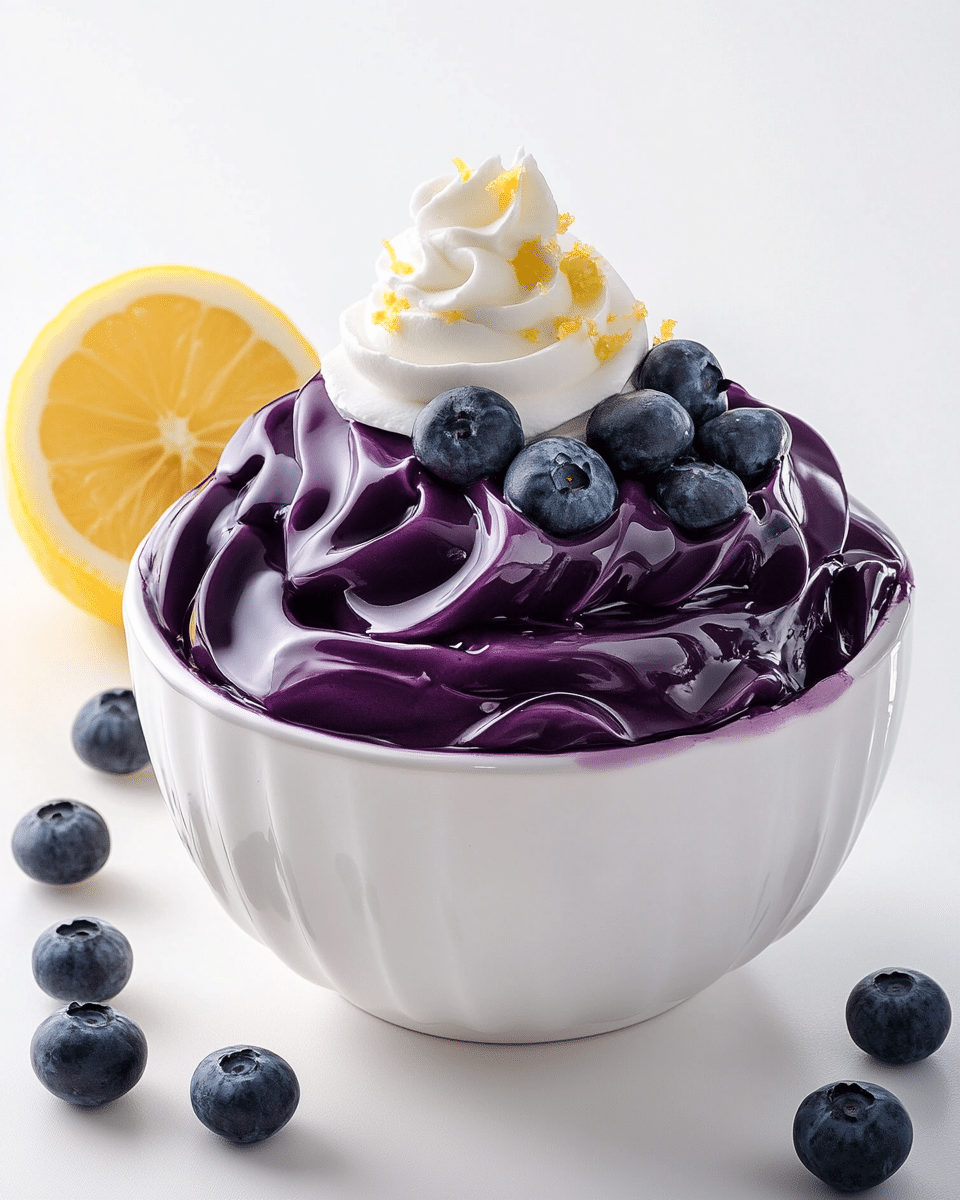
Craving something sweet? Try these easy Blueberry Cream Jello Bowls! This simple, delicious dessert is perfect for any occasion (and won’t wreck your diet).
Let’s be real: sometimes you just need something sweet. But the guilt? Nobody needs that. These Blueberry Cream Jello Bowls are designed to satisfy your sweet tooth without sending you into a sugar spiral. This recipe for blueberry cream jello bowls is a light, refreshing dessert that’s easy to make and customize to your liking. We’re not going to pretend this is a health food, but it’s an honest way to enjoy a treat without derailing your goals. It’s all about balance, right?
| Prep Time | 15 | Cook Time | 120 |
| Servings | 4 | Calories | 65 kcal |
Ingredients
- 1 (3 oz) package sugar-free blueberry gelatin
- 1 cup boiling water
- 1 cup cold water
- 1/2 cup nonfat Greek yogurt
- 1/4 cup unsweetened almond milk
- 1 teaspoon vanilla extract
- 1 cup fresh blueberries
Recommended Tools You’ll Need
| Tool | Why You Need It |
|---|---|
| Medium Mixing Bowl | For dissolving the gelatin and combining ingredients. |
| Whisk | To ensure the yogurt mixture is smooth and lump-free. |
| Measuring Cups and Spoons | Accurate measurements are key for the right consistency. |
| Serving Bowls | For individual portions and easy serving. |
Calorie Reality
At only 65 calories per serving, this Blueberry Cream Jello Bowl fits easily into most calorie-controlled diets. Think of it as a lighter alternative to traditional desserts, allowing you to indulge without overdoing it. It’s a great way to satisfy your sweet tooth without a significant calorie impact.
About Your Daily Budget: Your Total Daily Energy Expenditure (TDEE) determines how many calories you burn daily. This recipe offers a treat that’s low in calories, so it won’t greatly affect your TDEE or hinder weight management goals.
Diet Compatibility
Compatible with: Weight Watchers, Low-Fat Diets, Diabetic-Friendly Diets (in moderation), Gluten-Free Diets
Not compatible with: Keto Diets, Vegan Diets (unless using vegan gelatin alternatives)
Warning: Mixing Diets: Be mindful of portion sizes, even with low-calorie options. Overconsumption of even seemingly healthy foods can contribute to excess calorie intake, potentially leading to lipogenesis – the process where your body converts excess carbohydrates into fat for storage. Moderation is key to any diet!
Expert Tips
For an even smoother texture, you can strain the yogurt mixture before adding it to the gelatin. If you’re trying to lose weight, pre-portioning your desserts can help you stay within your calorie goals. Avoid keeping the entire batch in one container.
Macros Breakdown
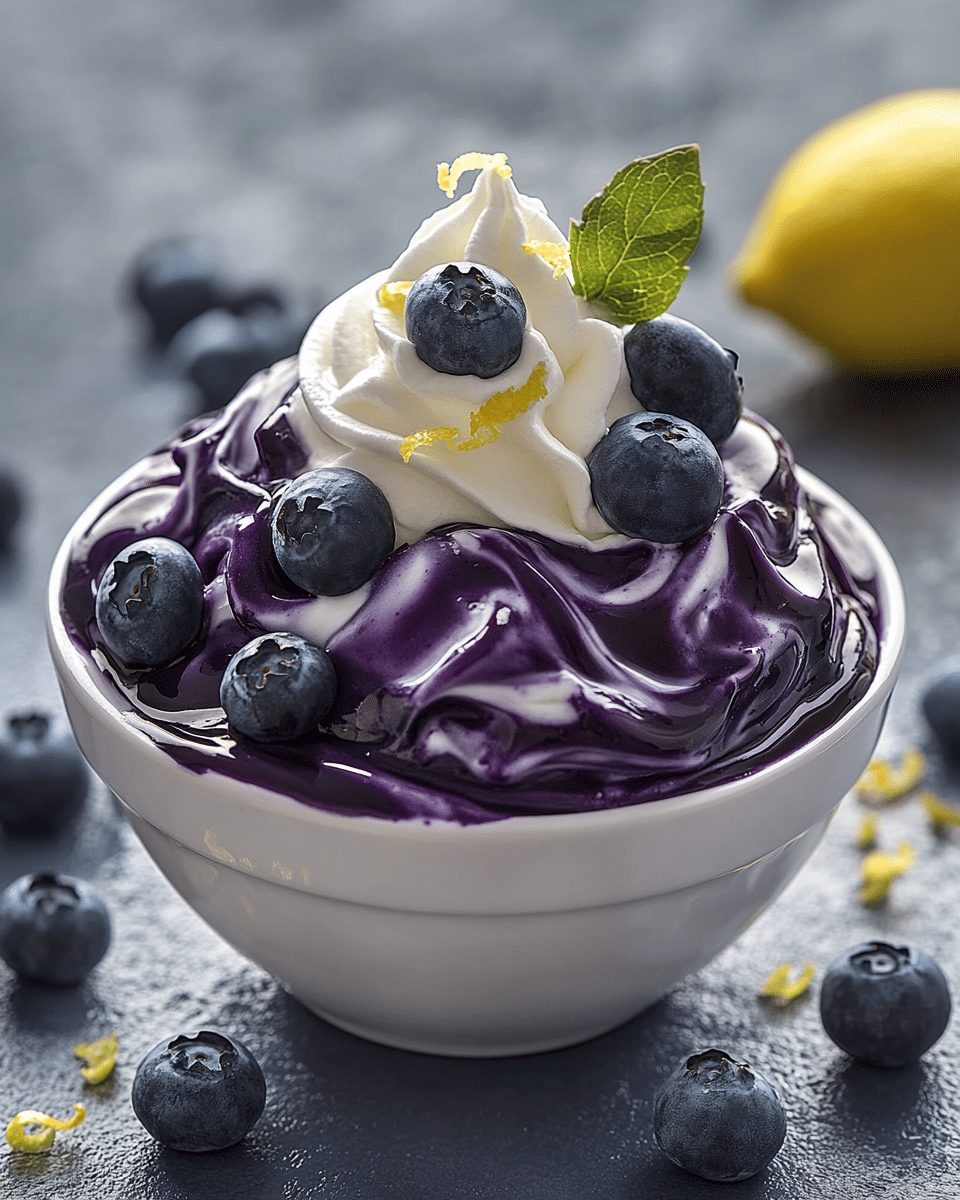
With 5g of protein from the Greek yogurt, this dessert provides a small protein boost. The carbs mainly come from the gelatin and blueberries. The minimal fat content makes it a very light dessert. The fiber will help you feel full.
Nutrition Information (per serving)
| Calories | Protein | Carbs | Fat | Fiber |
|---|---|---|---|---|
| 65 kcal | 5g | 8g | 1g | 1g |
Instructions
- In a medium bowl, dissolve the sugar-free blueberry gelatin in boiling water. Stir until completely dissolved.
- Stir in the cold water.
- In a separate bowl, whisk together the Greek yogurt, almond milk, and vanilla extract until smooth.
- Gently fold the yogurt mixture into the gelatin mixture until well combined.
- Gently fold in the fresh blueberries.
- Pour the mixture into four individual serving bowls or one larger bowl.
- Refrigerate for at least 2 hours, or until set.
Key Terms Explained
| Term | Explanation | Why it matters here |
|---|---|---|
| Gelatin | Gelatin is a protein derived from collagen. It gives jello its jiggly texture. | Gelatin is what sets the jello, creating the dessert’s signature texture. |
| Macronutrients | Macronutrients are the nutrients your body needs in large amounts: protein, carbs, and fat. | Being aware of the macronutrient breakdown helps you understand how this recipe fits into your overall diet. |
| Calorie Density | Calorie density refers to the number of calories in a given volume of food. Lower calorie density means you can eat more food for fewer calories. | This recipe has a low calorie density, making it a satisfying treat without a huge calorie load. |
| Lipogenesis | Lipogenesis is the metabolic process where the body converts excess sugars or carbohydrates into fatty acids, which are then stored as fat. | Avoid excess sugar to avoid this process. This recipe helps because it is sugar free. |