Blood Orange Jello Cups
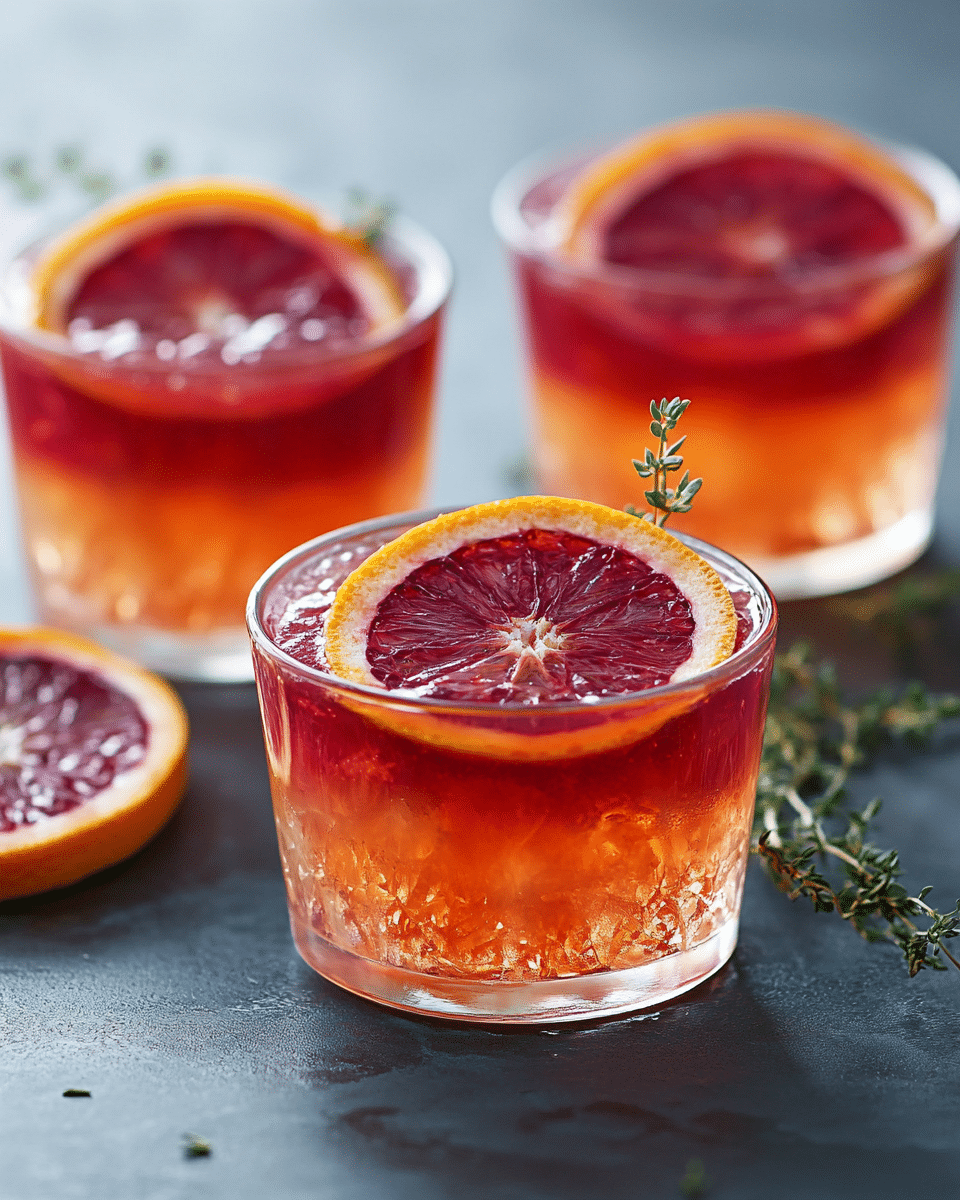
Craving a light, refreshing dessert? These Blood Orange Jello Cups are a simple, guilt-conscious treat. Learn how to make them with fresh juice! (~150 chars)
Looking for a light and refreshing dessert that won’t derail your health goals? I hear you. So many dessert recipes are packed with sugar and leave you feeling sluggish. These Blood Orange Jello Cups are the perfect solution! Made with fresh blood orange juice and a touch of gelatin, they are a delightful and guilt-conscious treat. Let’s be real: Jello isn’t a health food, but a little mindful indulgence can fit into a balanced lifestyle. These Blood Orange Jello Cups are vibrant, flavorful, and surprisingly easy to make.
| Prep Time | 15 | Cook Time | – |
| Servings | 4 | Calories | 60 kcal |
Ingredients
- 2 cups fresh blood orange juice
- 2 tablespoons unflavored gelatin powder
- 1/4 cup cold water
- Optional: Blood orange slices for garnish
Recommended Tools You’ll Need
| Tool | Why You Need It |
|---|---|
| Small saucepan | For heating the blood orange juice to dissolve the gelatin. |
| Whisk | To ensure the gelatin dissolves smoothly without clumps. |
| Measuring cups and spoons | For accurate ingredient measurements. |
| Serving cups or ramekins | To mold your individual jello portions. |
Calorie Reality
At only 60 calories per serving, these Blood Orange Jello Cups are a light addition to your day. Remember, a healthy weight loss is a slow process. Don’t expect to lose weight just from eating this jello, but it can be part of a well-balanced, calorie-conscious diet.
About Your Daily Budget: Your TDEE (Total Daily Energy Expenditure) is how many calories you burn daily. Create a calorie deficit by consuming fewer calories than your TDEE. For instance, if your TDEE is 2000 calories, aim for 1700-1800.
Diet Compatibility
Compatible with: Gluten-Free, Dairy-Free, Paleo (with honey instead of sugar), Low-Fat
Not compatible with: Keto (due to the high sugar content from the fruit juice), Vegan (due to gelatin)
Warning: Mixing Diets: While this is a low-fat recipe, be mindful of what you pair it with. Consuming it with a high-fat meal could contribute to lipogenesis, where excess carbs are converted to fat. Enjoy it as a standalone treat or with a light protein source for a balanced approach. Avoid mixing with high fat ice cream.
Expert Tips
For a more intense blood orange flavor, use freshly squeezed juice immediately. The flavor can degrade slightly over time. Also, portion control is key for weight loss, even with lighter options like this. Pre-portioning them into individual cups can help manage your intake. Do not underestimate portion control for weight loss!
Macros Breakdown
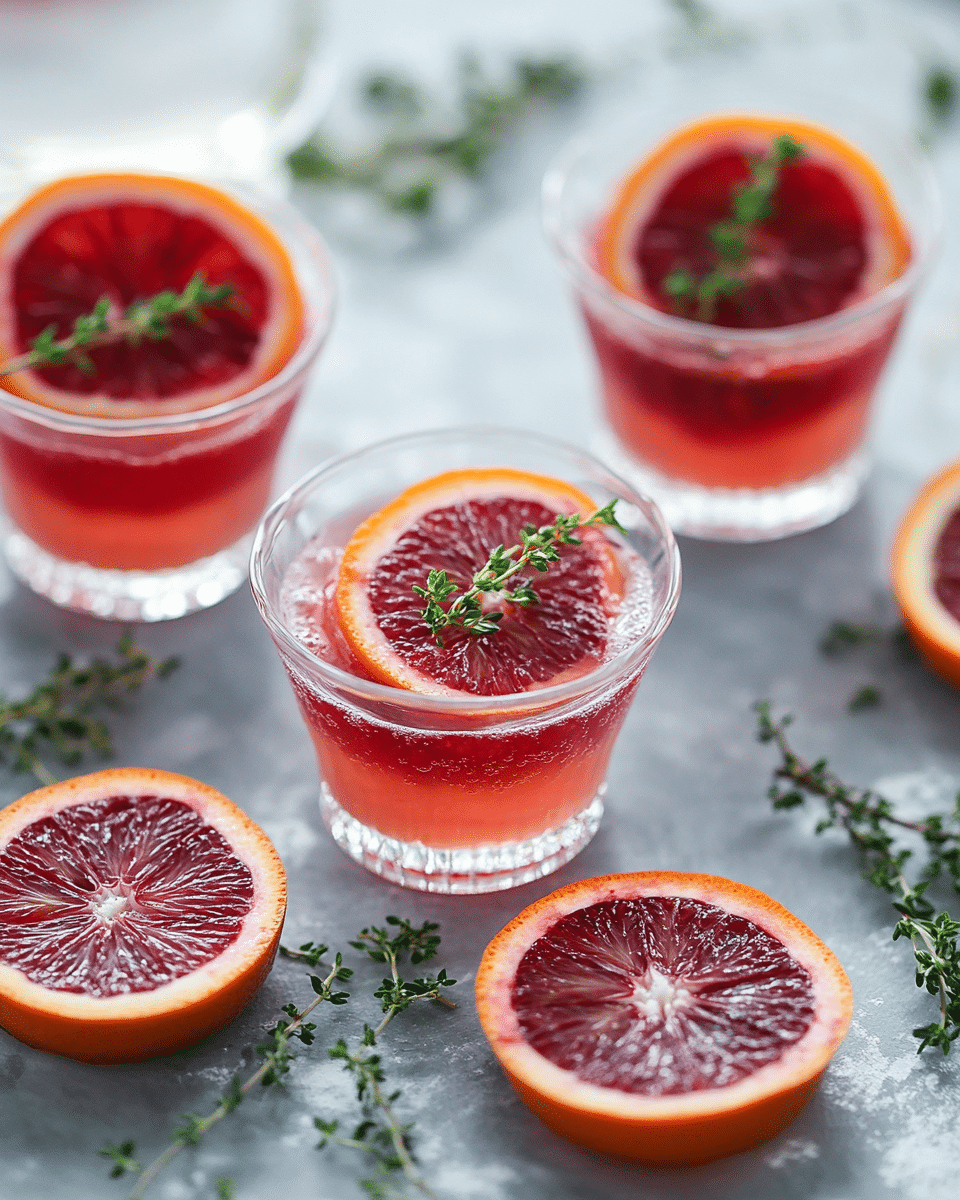
This recipe is primarily carbohydrates from the blood orange juice, with a small amount of protein from the gelatin. There is no fat. To make it more satiating, consider adding a dollop of Greek yogurt, but be aware of the added calories. Remember, balance is key.
Nutrition Information (per serving)
| Calories | Protein | Carbs | Fat | Fiber |
|---|---|---|---|---|
| 60 kcal | 3g | 12g | -g | -g |
Instructions
- In a small bowl, sprinkle the gelatin powder over the cold water. Let it sit for 5 minutes to bloom (soften).
- In a saucepan, heat 1 cup of the blood orange juice over medium heat until it is warm, but not boiling. Remove from heat.
- Add the bloomed gelatin to the warm blood orange juice and stir until completely dissolved.
- Stir in the remaining 1 cup of cold blood orange juice.
- Pour the mixture into four individual serving cups or ramekins.
- Refrigerate for at least 4 hours, or until the jello is firm.
- Garnish with blood orange slices, if desired, and serve chilled.
Key Terms Explained
| Term | Explanation | Why it matters here |
|---|---|---|
| Gelatin Bloom | Blooming gelatin means softening it in cold water. This allows the gelatin granules to absorb water and dissolve evenly when heated. | Blooming the gelatin ensures a smooth, clump-free jello consistency. |
| Calorie Deficit | A calorie deficit means consuming fewer calories than you burn. This forces your body to use stored energy (fat) for fuel, leading to weight loss. | Enjoying this low-calorie treat can help contribute to a calorie deficit when eaten in moderation. |
| Lipogenesis | Lipogenesis is the process where your body converts excess carbohydrates into fat for storage. It happens when carbohydrate intake exceeds energy needs. | Enjoying this treat as part of a balanced diet can help prevent excess carbohydrate intake, reducing potential for lipogenesis. |