Anti-Inflammatory Juice
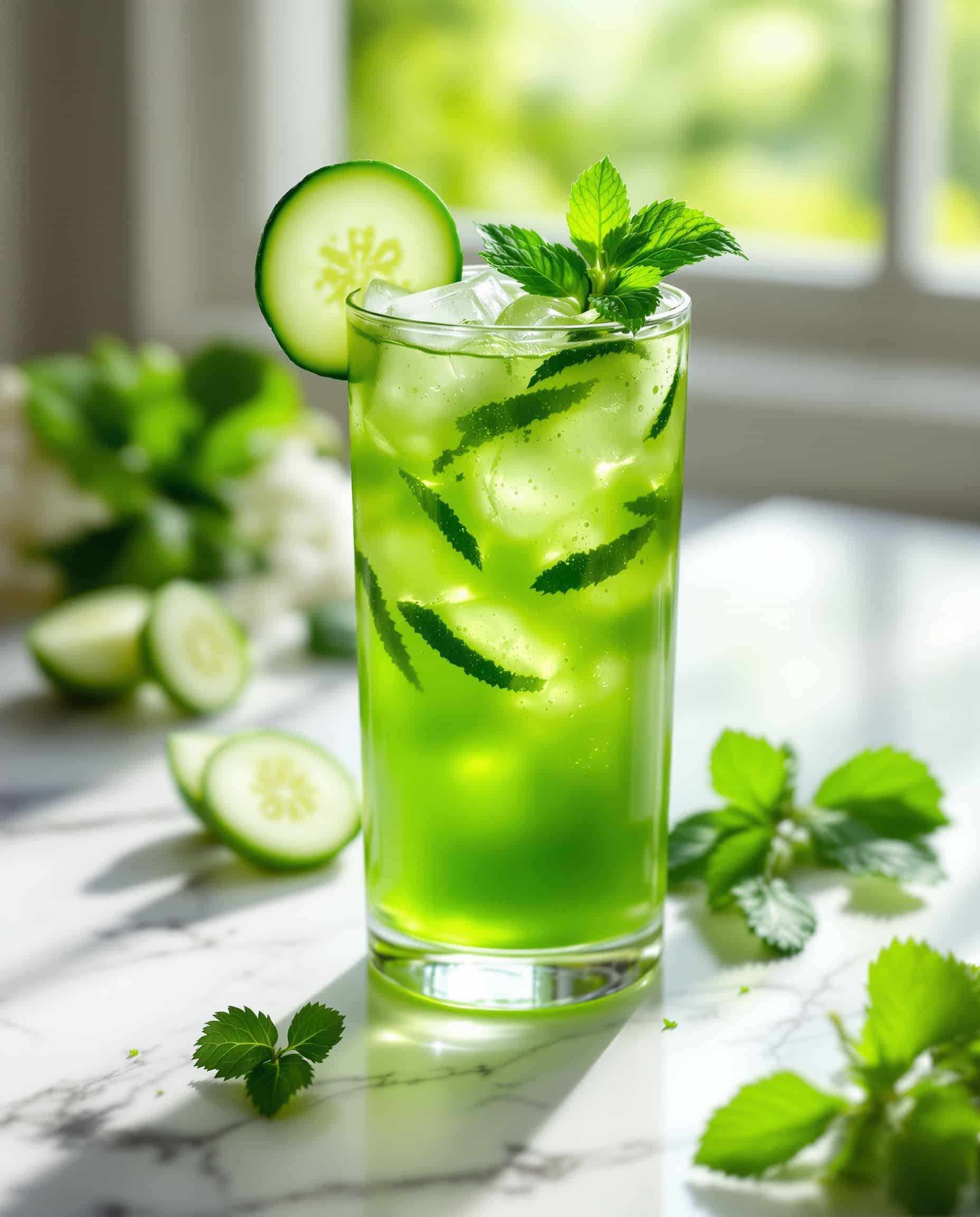
Discover how this anti-inflammatory juice can support your weight loss journey. Learn the science behind the ingredients and how to fit it into a calorie deficit.
Let’s be honest: the internet is full of quick-fix promises, especially when it comes to weight loss. But true, sustainable results come from understanding your body and making informed choices. This anti-inflammatory juice isn’t a magic bullet, but it can be a fantastic, nutrient-dense addition to a well-rounded eating plan aimed at supporting your health and weight management goals. Inflammation can play a sneaky role in how your body functions, and by focusing on ingredients known to combat it, we’re giving our bodies a helpful boost. This recipe is all about leveraging real food for real benefits.
| Prep Time | 15 minutes | Cook Time | 0 minutes |
| Servings | 2 | Calories | 170 kcal |
Ingredients
- 1 large cucumber (approx. 300g), peeled if not organic, chopped
- 2 large green apples (approx. 350g), cored and chopped
- 1 cup fresh spinach (approx. 30g)
- 1-inch piece fresh ginger (approx. 20g), peeled
- 1/2 lemon, peeled
- 1/4 cup fresh mint leaves (approx. 10g)
- 1 tsp matcha powder OR spirulina powder OR spinach powder (for natural green color)
- 1/2 cup cold filtered water (or more, to adjust consistency)
- Ice cubes, for serving
Recommended Tools You’ll Need
| Tool | Why You Need It |
|---|---|
| High-speed blender | Essential for breaking down fibrous ingredients into a smooth, drinkable consistency, maximizing nutrient extraction. |
| Measuring cups and spoons | Ensures accurate ingredient ratios for consistent flavor and nutritional tracking. |
| Cutting board and sharp knife | For safely and efficiently preparing your fruits and vegetables. |
| Tall glasses | Perfect for serving your refreshing juice, especially over ice. |
Calorie Reality
At 170 calories per serving, this anti-inflammatory juice can fit well into a typical daily budget of 1500-2000 kcal. It’s a fantastic way to add nutrients without a huge calorie hit, serving as a snack or a contribution to a meal. Remember, successful weight loss is about overall daily intake, not just one item.
About Your Daily Budget: Your Total Daily Energy Expenditure (TDEE) is the number of calories your body burns in a day. To lose weight, you need to consistently consume fewer calories than your TDEE, creating a calorie deficit.
Diet Compatibility
Compatible with: Vegan, Vegetarian, Gluten-Free, Dairy-Free, Whole30 (without matcha powder, if strict)
Not compatible with: Ketogenic Diet, Paleo (due to apple sugar content), Low-FODMAP (due to apples and cucumber)
Warning: Mixing Diets: Trying to combine contradictory diet approaches can be counterproductive and even unhealthy. For example, a high-fat ketogenic diet and a high-carb, low-fat diet work on fundamentally different metabolic pathways. Mixing them can lead to metabolic confusion, where your body struggles to efficiently process either macronutrient, potentially promoting lipogenesis (fat storage) rather than fat burning. Stick to one well-researched approach and give your body time to adapt.
Expert Tips
For optimal absorption of nutrients, try to consume this juice shortly after making it. If you’re looking to maximize fat loss, consider having this as a snack rather than an addition to a large meal, ensuring it fits within your daily calorie goals. Don’t be afraid to experiment with the ginger– a little more can add a significant anti-inflammatory kick. Always listen to your body and adjust ingredient quantities to your personal taste and tolerance.
Macros Breakdown
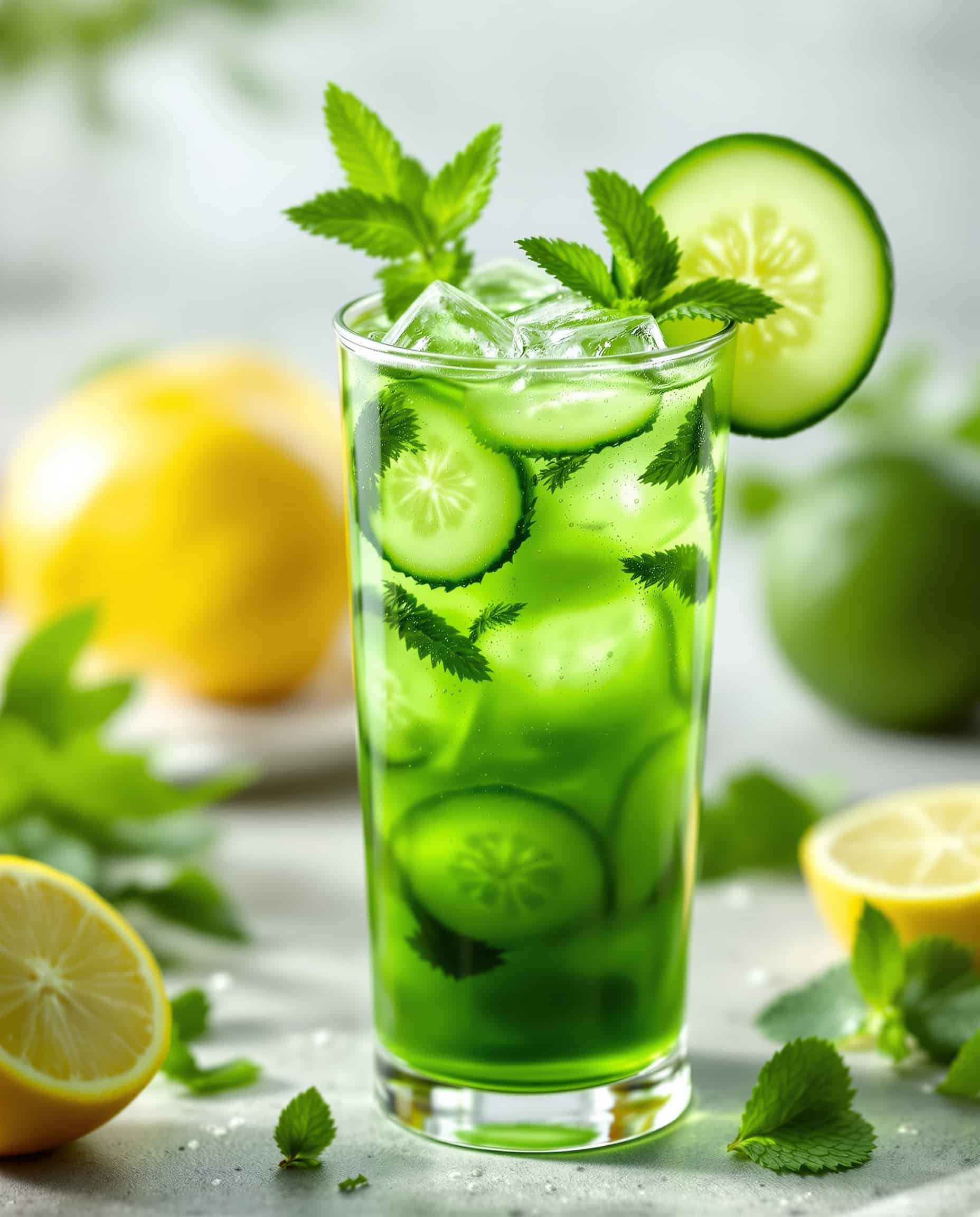
This juice is primarily rich in carbohydrates, mainly from the fruits and vegetables. The fiber content is excellent for satiety and digestive health. While low in protein and fat, which are crucial for a balanced diet, this juice excels as a micronutrient powerhouse. Always remember to balance nutrient-dense drinks like this with protein and healthy fats in other meals.
Nutrition Information (per serving)
| Calories | Protein | Carbs | Fat | Fiber |
|---|---|---|---|---|
| 170 kcal | 3g | 42g | 1g | 6g |
Instructions
- Wash all produce thoroughly.
- Roughly chop the cucumber, green apples, and lemon (after peeling). Peel the ginger.
- Add the cucumber, green apples, spinach, ginger, peeled lemon, and mint leaves to your blender.
- Add the matcha powder (or spirulina/spinach powder) and 1/2 cup of cold filtered water.
- Blend on high speed until completely smooth. If the mixture is too thick, add more water, 1/4 cup at a time, until desired consistency is reached.
- Taste and adjust. If you prefer a smoother texture without pulp, you can strain the juice through a fine-mesh sieve or nut milk bag (though I usually prefer the fiber!).
- Pour into two tall glasses filled with ice cubes and enjoy immediately.
Key Terms Explained
| Term | Explanation | Why it matters here |
|---|---|---|
| Anti-inflammatory | Refers to substances or actions that reduce inflammation, the body’s natural response to injury or infection. | Ingredients like ginger and spinach are known for their anti-inflammatory properties, supporting overall health. |
| Calorie Deficit | Consuming fewer calories than your body burns in a day, which is necessary for weight loss. | This juice is relatively low in calories, making it a good choice to help maintain a calorie deficit. |
| Antioxidants | Molecules that fight free radicals in your body, which can cause cellular damage. | Green apples, spinach, and matcha are packed with antioxidants, promoting cellular health. |
| Fiber | Indigestible plant material that aids digestion, promotes satiety, and helps regulate blood sugar. | Retaining the pulp (or not straining) provides valuable fiber, helping you feel fuller for longer. |