ACV Gelatin Recipe
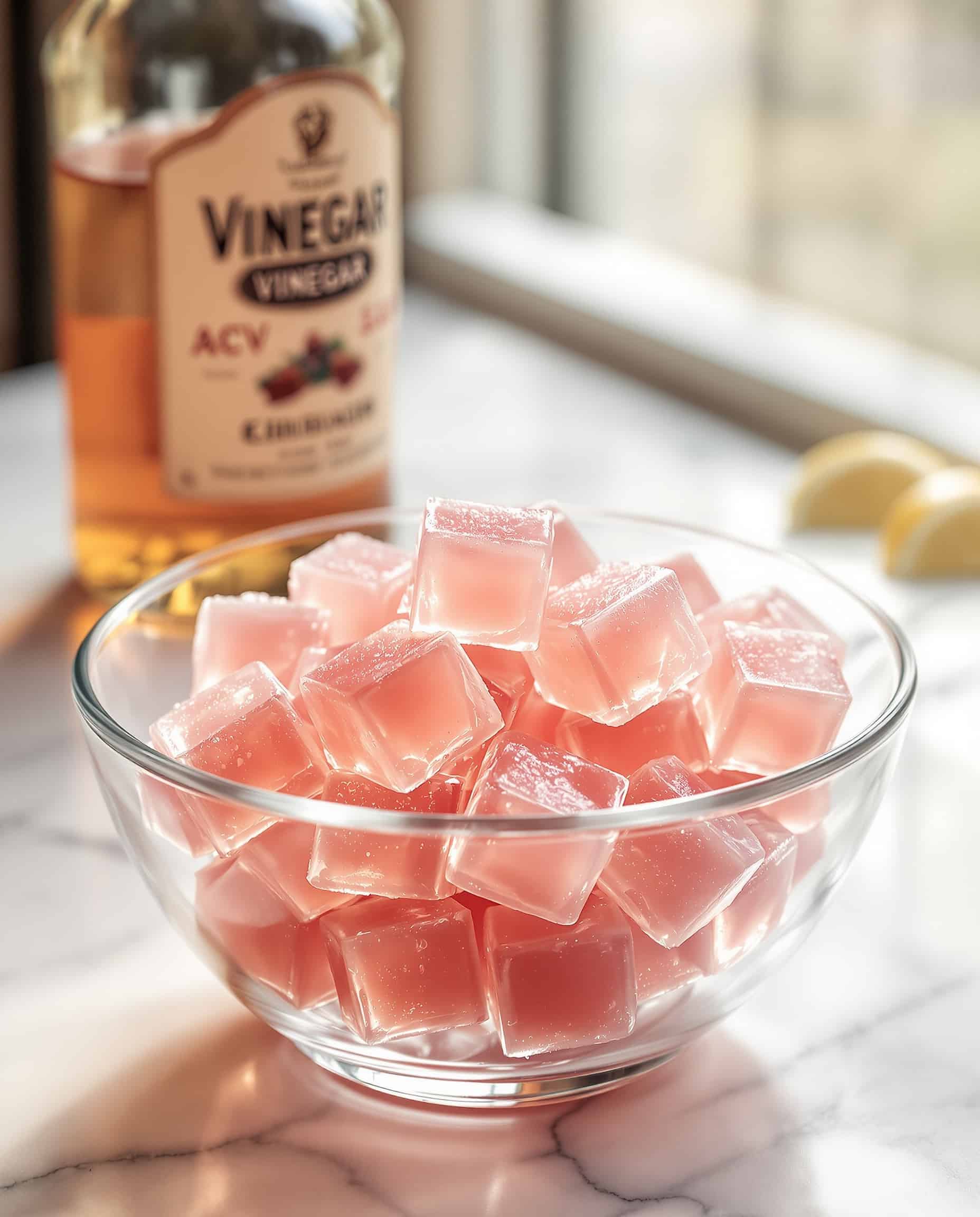
Discover a delicious and honest ACV gelatin recipe with just 10 calories per serving. Learn how this simple dessert can fit into your weight loss journey.
Let’s be honest: weight loss isn’t about magic pills or restrictive diets. It’s about understanding your body, making smart choices, and creating habits you can sustain. One common challenge? Finding satisfying, low-calorie treats that actually taste good and fit into your daily energy budget. That’s where this ACV gelatin recipe comes in. It’s a simple, refreshing, and surprisingly delicious way to enjoy a sweet-tart treat without derailing your progress. We’re talking honest, science-backed nutrition, not quick fixes. This recipe is designed to help you feel full and satisfied while keeping calories exceptionally low.
| Prep Time | 10 minutes | Cook Time | 5 minutes |
| Servings | 12 | Calories | 10 kcal |
Ingredients
- 2 cups (480 ml) cold water, divided
- 4 tablespoons (28g) unflavored gelatin powder
- 1/2 cup (120 ml) apple cider vinegar (ACV), unfiltered
- 1/4 cup (60 ml) fresh lemon juice
- 1/4 cup (60 ml) erythritol or stevia blend (or to taste)
- 1 tsp beet powder OR raspberry powder OR freeze-dried strawberry powder (for natural pink color)
Recommended Tools You’ll Need
| Tool | Why You Need It |
|---|---|
| Medium-sized mixing bowl | For blooming the gelatin and mixing ingredients efficiently without spills. |
| Small saucepan | To heat water to the correct temperature for dissolving gelatin without scorching. |
| Whisk | Ensures gelatin dissolves completely and ingredients are evenly incorporated, preventing lumps. |
| Glass bowl or loaf pan | Ideal for setting the gelatin evenly and creating uniform cubes, a glass vessel helps with cooling. |
Calorie Reality
At a mere 10 calories per serving, these ACV gelatin cubes are incredibly light. In a typical 1500-2000 kcal daily budget, this treat makes up less than 1% of your intake. This means you can enjoy a satisfying, flavorful snack without making a significant dent in your calorie goals, leaving plenty of room for nutrient-dense meals.
About Your Daily Budget: Your Total Daily Energy Expenditure (TDEE) is the total number of calories you burn in a day, including resting metabolism, physical activity, and food digestion. To lose weight, you need to consistently consume fewer calories than your TDEE.
Diet Compatibility
Compatible with: Keto, Low-Carb, Paleo (check sweetener), Gluten-Free, Dairy-Free, Vegan (with agar agar substitution)
Not compatible with: Standard American Diet (SAD – not because it’s bad, but because it doesn’t align with SAD’s typical high-calorie nature)
Warning: Mixing Diets: Mixing and matching various diet approaches without a clear understanding can be counterproductive and even dangerous. For example, trying to combine aspects of a high-fat keto diet with a low-fat diet can lead to consuming excess calories from both macronutrients, potentially promoting lipogenesis (fat storage). Each diet has specific principles designed to achieve certain metabolic outcomes. Choose one, understand it, and stick to it, or consult a qualified professional before combining strategies.
Expert Tips
For the best jiggly texture, make sure your gelatin is fully bloomed and dissolved. Any undissolved granules will result in a grainy texture. Don’t let your water boil when dissolving gelatin, as excessive heat can weaken its gelling properties. For weight loss, consider making a larger batch and portioning it out for easy grab-and-go snacks. Having healthy options readily available is a huge win for staying on track. This helps prevent reaching for higher-calorie alternatives when hunger strikes.
Macros Breakdown
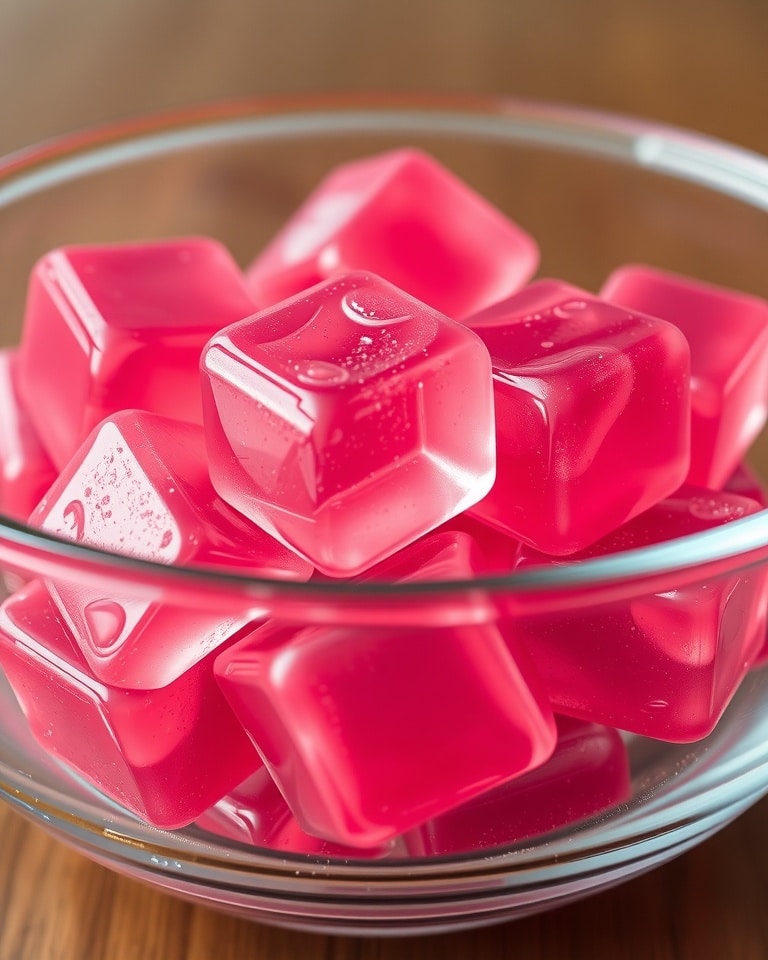
This recipe is primarily protein-driven from the gelatin, with minimal carbs and virtually no fat or fiber. Gelatin, while not a complete protein, contributes to satiety. The low carb count comes from the small amount of natural sugars in ACV and lemon, and the zero-calorie sweetener. This macro profile makes it an excellent choice for a very low-calorie, guilt-free snack that won’t spike blood sugar.
Nutrition Information (per serving)
| Calories | Protein | Carbs | Fat | Fiber |
|---|---|---|---|---|
| 10 kcal | 2g | 0.5g | -g | -g |
Instructions
- In a medium-sized bowl, sprinkle the gelatin powder over 1 cup (240 ml) of cold water. Let it sit for 5 minutes to ‘bloom’ or soften. This is crucial for a smooth, lump-free gelatin.
- While the gelatin blooms, bring the remaining 1 cup (240 ml) of water to a simmer in a small saucepan. Do not boil.
- Pour the hot water over the bloomed gelatin mixture. Whisk continuously until the gelatin is completely dissolved. Ensure there are no granules left.
- Stir in the apple cider vinegar, fresh lemon juice, erythritol (or stevia blend), and the beet/raspberry/strawberry powder until well combined and the color is even.
- Carefully pour the mixture into a glass bowl or a 9×5 inch (23×13 cm) loaf pan. For best ‘jiggly cubes’, a flat, wide container works well.
- Refrigerate for at least 4 hours, or preferably overnight, until firm and set.
- Once firm, gently loosen the edges with a knife and cut the ACV gelatin into 12 equal cubes. Serve chilled and enjoy your refreshing, low-calorie treat.
Key Terms Explained
| Term | Explanation | Why it matters here |
|---|---|---|
| Calorie Deficit | Consuming fewer calories than your body burns, forcing it to use stored energy (fat) for fuel. | This recipe is designed to help maintain a calorie deficit due to its extremely low caloric content. |
| Gelatin | A protein derived from collagen; it forms a gel when dissolved in hot water and cooled. | Provides texture and a small amount of protein, contributing to a feeling of fullness. |
| Erythritol | A sugar alcohol used as a low-calorie sweetener, often found in fruits. | Offers sweetness without adding significant calories or impacting blood sugar levels. |
| Lipogenesis | The metabolic process by which fat is produced or stored in the body. | Understanding lipogenesis helps in making dietary choices that prevent excess fat storage. |